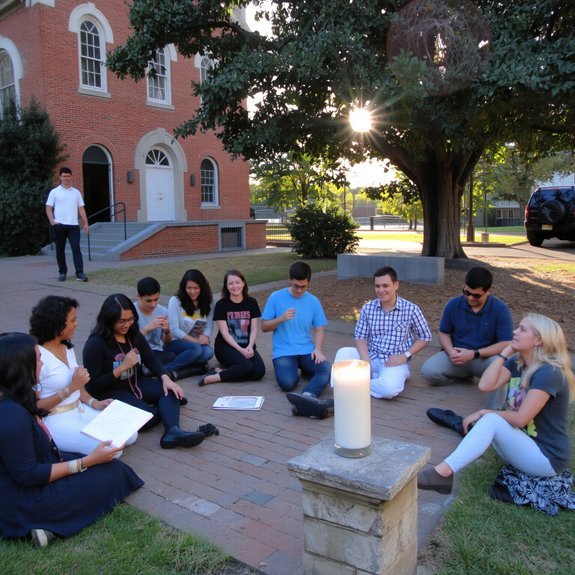
Tag: student support

  • How to Find Childcare Resources as an HBCU Student Parent

    How to Find Childcare Resources as an HBCU Student Parent

    Like Odysseus bargaining for a safe harbor, you’ll need clever moves and good timing—trust me, I’ve done the paperwork tango. You walk into the family services office, feel the hum of campus life, grab a brochure, and ask the receptionist the exact question that makes her perk up; then you tour a tiny classroom filled with crayons and sticky fingerprints, jot down prices, and trade numbers with another tired parent while laughing about midnight study sessions. Keep going—there’s more.

    Key Takeaways

    • Visit your campus family services or student affairs office to learn about on-campus childcare, priority slots, hours, and required forms.
    • Apply for federal and state supports (TANF, SNAP, WIC) and childcare subsidies, submitting pay stubs and class schedules promptly.
    • Tour nearby community and nonprofit childcare centers, ask about sliding-scale fees, and join waitlists early.
    • Build a student-parent network or co-op to share childcare shifts, backup sitters, and informal babysitting swaps.
    • Communicate proactively with professors to negotiate flexible deadlines or hybrid attendance when childcare conflicts arise.

    Campus-Based Childcare Options and How to Access Them

    campus childcare access tips

    If you’re juggling classes, a course schedule that reads like a Rubik’s cube, and a tiny human who thinks 6 a.m. is party time, campus childcare can feel like finding an oasis in a desert — sweet, welcome, and slightly miraculous. I’ll cut to the chase: scout your campus family services office first, call them, walk in, smell the crayons and coffee. Tour the center, watch nap mats and tiny shoes, ask about hours, fees, and emergency policies. Join waitlists, bring paperwork—enrollment forms, immunization records, proof of student status. Ask about sliding scales, student-priority slots, and drop-in care. Talk to other student parents, swap notes and backup babysitters. Be persistent, you’ll snag a spot if you hustle.

    Federal and State Assistance Programs for Student Parents
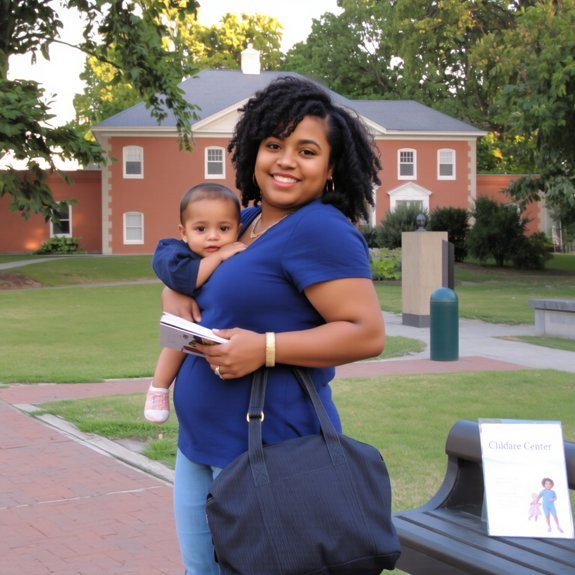
    federal aid for student parents

    Because money and time both get eaten alive by diapers and lab reports, you’ll want to know what federal and state aid is actually within reach — not just the headlines. I’ll walk you through the basics, fast. Start with TANF and SNAP, apply online, then call your state office; they taste like bureaucracy but they help. Head to child care subsidy programs, bring pay stubs and your class schedule, expect phone hold music and victory. Don’t miss WIC if you’re pregnant or nursing, it’s free food and formula help. Pell Grants can free cash for school, not childcare directly, but they loosen your budget. File FAFSA early, check state-run childcare waitlists, and bookmark helplines. Try persistence, snacks, and a tiny victory dance.

    Building a Student Parent Support Network and Childcare Co-ops
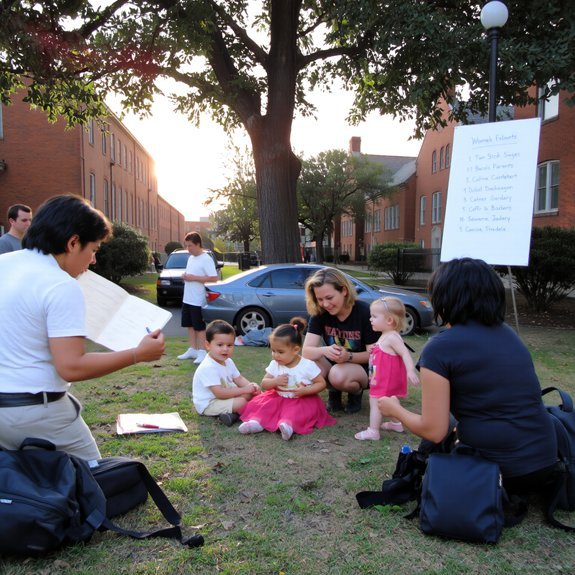
    student parent support network

    1 quick confession: I’m not a superhero, I’m a tired student parent who learned to trade sleep for smart teamwork. You’ll start by knocking on dorm doors and sliding into group chats, saying, “Who’s in?” Watch faces light up, plans form. Host a picnic by the quad, bring juice boxes, trade funny toddler stories, swap emergency contacts. Set simple rules — rotations, backup days, clear drop-off windows — and write them on a fridge magnet, literally. Try a childcare co-op: you teach art, I watch nap time, we both get class hours. Keep expectations honest, keep snacks labeled, and check in weekly. Celebrate small wins with coffee and goofy memes. Community becomes childcare when you mix trust, calendars, and a little hustle.

    Negotiating Flexible Schedules With Professors and Academic Advisors

    Okay, here’s the plan: you’re going to email your professor, breathe, and ask for a deadline extension when your kiddo’s daycare closes unexpectedly — say when, how long you need, and offer a firm new date. Then, suggest a hybrid attendance option, mention which classes you can join live and which you’ll watch recorded, and promise to keep up with participation so they don’t think you’re ghosting. Say it with confidence, a little charm, and a concrete fallback, and watch how often teachers surprise you by saying yes.

    Requesting Deadline Extensions

    If you’ve ever stared at a syllabus like it was a cryptic treasure map while a toddler hands you a crayon, you’re in the right place—trust me, I’ve been there. When life erupts—sick kid, childcare fall-through—ask for an extension, plain and simple. Email early, not panicked at midnight. Say what you need, how much time, and offer a realistic new due date. Briefly explain the reason, attach proof if asked, and thank them for understanding. In person, speak calmly, make eye contact, and drop a concrete plan: “I can turn this in by Friday if I get two extra days.” Be flexible, accept partial credit options, and follow up. Keep receipts, calendar the new date, and deliver—no excuses.

    Proposing Hybrid Attendance

    When campus chaos collides with nap time, you need a plan that smells like coffee and common sense, so I’ll show you how to pitch hybrid attendance without sounding needy or needy-adjacent. I walk into your professor’s office, hand a short proposal — three bullets, one sentence each — and say, “Can we try a mix of in-person and virtual for three weeks?” They blink, you smile, coffee steam fogs the window. Explain learning goals, tech you’ll use, how you’ll participate and submit work. Offer office hours, recorded evidence, and clear dates. Be flexible, drop a sincere “I appreciate your help,” and listen. If they worry, propose a trial. If they say no, ask for alternatives. You’ve got this.

    Community Resources and Partnerships Near HBCUs

    Since I’m guessing you didn’t sign up for parenting and finals at the same time, let me point you to the village waiting right outside campus — local nonprofits, faith groups, and neighborhood daycares that actually want to help, not just sympathize. I poke around bulletin boards, text a pastor, and overhear a student worker offering toddler care during lab. You can swing by the student affairs office, smell coffee, grab a flyer, and get referred to a partnership that offers sliding-scale spots. Tap alumni networks — yes, those same people who wore your school colors — they host playgroups and tutoring swaps. Knock on community center doors, meet coordinators, trade schedules. I promise, once you start asking, a web of real, practical help unfolds, no cape required.

    Budget-Friendly Childcare Strategies and Emergency Backups

    You’ve sniffed out the village, you’ve got flyers and phone numbers, and now we’re tightening the belt without sacrificing sanity — because tuition, diapers, and late-night ramen don’t pay for themselves. I tell you straight: swap solo childcare for tag-team shifts with another student parent, trade babysitting hours for grocery runs, and barter tutoring for an afternoon off. Scout campus daycare scholarships, sliding-scale centers, and weekday co-ops that smell like crayons, not doom. Keep an emergency backup: a vetted neighbor, a professor who knows your story, and a childcare app with reviews you actually read. Pack a grab-and-go kit — snacks, wipes, a favorite toy — so chaos is portable. You’ll sleep better knowing plan B isn’t a prayer, it’s a checklist.

    Conclusion

    I’ve walked this campus hustle with you, so trust me: start at family services, tour centers, ask about slots and sliding scales, swap sitter numbers with other student parents, and apply for subsidies—do it like you mean it. Picture relief as a warm cup, steaming in your hands. You’ll negotiate deadlines with advisors, build a backup roster, and patch together cheap, reliable care. You’ve got grit, humor, and a plan; now go.

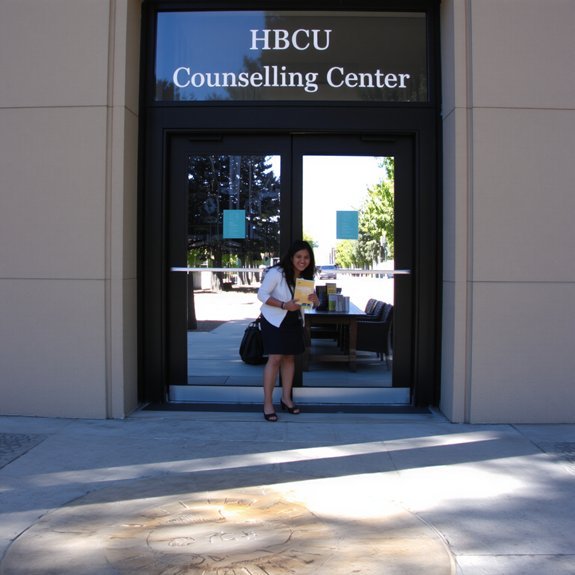
  • How to Find Counseling Services at an HBCU

    How to Find Counseling Services at an HBCU

    You’re on campus, tired and curious, and you’re wondering where to go next — I’ve been there, awkwardly circling the student union like it’s a maze. Start at the university website or call the campus switchboard, note the counseling center’s building and hours, then swing by with your ID; staff will walk you through intake, fees, and options. You’ll get a warm, confidential welcome — and a next step that actually makes sense, but there’s more.

    Key Takeaways

    • Check your HBCU’s website counseling center page for phone, email, office hours, and location details.
    • Call or email the counseling center to ask about intake, drop-in hours, and crisis lines.
    • Bring your student ID, medications list, and any relevant records to your first appointment.
    • Ask about group therapy, workshops, sliding-scale fees, and insurance billing options.
    • Request referrals and follow-up help if you need specialty care or off-campus providers.

    Understanding On-Campus Counseling Centers and Services

    warm welcoming counseling services

    When you step into your campus counseling center, don’t expect a sterile waiting room with sad magazines — think warm lighting, a basket of minty gum, and someone who actually looks up and says, “Hey, you made it.” I’m talking about a place where trained counselors offer short-term talk therapy, crisis support, group workshops, and referrals to off-campus specialists, all under one roof; you’ll find confidential intake forms, comfy chairs, and a schedule that actually fits between classes. You’ll meet therapists who listen, nod, scribble, and hand you practical tools. Drop-in hours save you from bureaucratic purgatory, crisis lines glow on posters, peer groups laugh and cry in the next room, and intake is private, quick, efficient. Come in.

    How to Find Contact Information and Office Locations

    find counseling center contact

    Because you’ll want answers before panic sets in, start by pulling up your HBCU’s website and hunting for the counseling center page — yes, right now, I mean it. Once you’re there, scan for a phone number, email, and office hours; I promise you’ll spot them like a neon sign. If the page looks sad and sparse, click “Contact,” check the campus directory, or use the site search box — don’t be proud. Note the building name, room number, and a landmark nearby, like the cafeteria or the clock tower, so you won’t wander like a sheep. Jot down extension numbers, staff names, and any walk-in policies. Still stuck? Call campus security or pop into student services; they’ll point you straight.

    What to Expect During Your First Counseling Appointment

    first counseling appointment expectations

    You’ll want to bring your student ID, a list of medications or concerns, and anything that helps you feel grounded — a water bottle, notes, or a playlist on your phone. I’ll greet you, ask a few questions about what’s been going on, then we’ll map out a plan together, usually with a bit of practical homework before you leave. Don’t worry if you’re nervous, I’ve seen it all, and we’ll move at your pace so it feels useful, not weird.

    What to Bring

    Picture walking into a cozy office that smells faintly of coffee and lemon cleaner, you clutching a folder like it’s a secret weapon—calm, you got this. Bring photo ID, insurance or student health card, and any intake forms they emailed, folded neat so you don’t look like you live in chaos. Pack a short list of concerns, two to three priorities, and jot down medications and dosages—yes, even the vitamins. Toss in a pen, your phone (silenced), and headphones if you want a soft exit strategy. If you have notes from classmates, professors, or previous therapists, bring copies. Water helps. Wear something comfy. I’ll say this: preparation isn’t armor, it’s a kindness to yourself.

    Typical Session Flow

    Okay, you’ve got your folder, your list, and your water—good job, I’m proud. Walk in, check in, sit on that chair that’s probably too soft or too firm, you’ll know. I’ll ask your name, intake questions, and what brought you here—short answers are fine, tears too, jokes welcome. We’ll talk history, meds, sleep, class stress, home life. I’ll explain confidentiality, limits, and how we’ll take notes. We’ll set goals together, pick one small step, schedule the next session. You’ll leave with a plan, maybe a handout, and a breathing trick I stole from a podcast. If it feels weird, tell me. If it feels right, great. Either way, you showed up, and that matters.

    Group Therapy, Workshops, and Peer Support Programs

    Three kinds of spaces tend to do the heavy lifting when campus stress gets loud: group therapy, workshops, and peer support programs — and I’m going to walk you through what each actually feels like. You’ll sit in a circle, notice breaths sync, hear someone say, “Same,” and feel less alone—group therapy’s honest, raw, guided by a clinician who steers, asks, reflects. Workshops hit fast, hands-on—journals, role-plays, breathing drills—you’ll leave with a tactic you can actually use between classes. Peer support programs are casual, sweaty-palms-free zones: students trade tips, laugh, vent, and check in over coffee. Try one, don’t judge it like a first date, give it three chances, and pick what fits your rhythm.

    If you’re juggling meal plans and textbooks, adding insurance lingo feels cruel — but I’ve got you. Walk to the counseling center, take a breath, ask the front desk, “Do you bill insurance?” Watch faces relax or furrow; both are useful. Bring your card, note co-pays, ask who’s in-network, write it down like a grocery list. If you don’t have coverage, ask about sliding-scale fees, income-based rates, or campus funds that cover a few sessions — they exist, promise. Some centers offer free initial visits, group therapy at low cost, or referrals to community clinics with lower rates. Keep receipts, check for out-of-network reimbursement, and don’t be shy. Bargain for care like you’d haggle over pizza—firm, friendly, and persistent.

    Because you’ll hand over a jacket, a backpack, maybe your phone, you deserve to know what happens next — and I’m telling you now so you don’t learn it the hard way. I’ll be blunt: counseling is private, mostly. Your therapist won’t blab your late-night texts, but there are limits, like harm to yourself or others, abuse, or court orders. You’ll sign consent forms, so read them — I know, thrilling — they list who sees notes, how records stay, and when confidentiality breaks. You can ask for limits, refuse releases, and request your file. If something feels off, speak up, file a complaint, or switch counselors. You own your story here, keep it close, and claim your rights.

    Seeking Culturally Responsive and Black-Centered Care

    You checked the confidentiality rules, signed the forms, and know when things might be flagged — good, you’ve got boundaries. Now, look for therapists who get Black joy, grief, and culture; ask about race-conscious training, lived experience, and community ties. Say, “Do you work with Black students?” Listen for specifics, not vibes. Notice office art, books, music—those tell a story. Trust your body: if you relax in the chair, that’s useful data. Bring a campus friend, or role-play a tough line before the session; practice makes honesty easier. If jargon or excuses pop up, call it out, gently. Expect warmth, clear goals, and cultural humility. If it feels off, you can say so, and keep searching with intent.

    When and How to Get Referrals to Off-Campus Providers

    If your campus counselor says your needs go beyond what they can offer—more specialized therapy, longer-term care, or services outside clinic hours—ask for a referral right then, don’t wait for a crisis. I’ll show you how referrals usually work: clinicians compare what you need, call or send secure notes to trusted off‑campus providers, and hand you contact details or even set up a warm transfer so you don’t start at square one. Once you’ve got names, coordinate by giving consent for records to be shared, scheduling a first appointment, and keeping both teams looped in so care feels seamless, not like juggling flaming batons.

    When to Seek Referrals

    When campus counseling starts feeling like a good fit but not quite the perfect sock for your foot, it’s time to think about off-campus referrals—I’ll show you how to spot that moment and what to do next. I’ll be blunt: if you keep leaving sessions with your problem half-unpacked, or you need a specialist your center doesn’t have, don’t tough it out. Trust your gut, and note concrete signs.

    1. You’re stuck after several sessions, progress flat, frustration rising.
    2. Your concerns need specialty care—trauma, eating disorders, complex meds.
    3. Scheduling or privacy limits at the center block consistent care.
    4. You want continuity off-campus for internships or after graduation.

    Ask your counselor, document needs, and get a plan.

    How Referrals Are Made

    Alright — you’ve noticed the fit’s off at the campus center, and now it’s time to get pointed toward something that actually works. I’ll walk you through how referrals get made, step by step, no mystery. You meet with a counselor, describe what’s not clicking, they nod, take notes, sometimes ask for specifics — symptom timeline, insurance, preferences. They search their referral list, call colleagues, scan directories, or ping community providers by text or email. You’ll get options, a quick summary, and contact info, maybe an intake form to sign. They’ll flag urgency if needed, arrange a warm handoff sometimes, and follow up to see if the new match landed. You’re not alone in this.

    Coordinating With Off‑Campus Providers

    Because campus counseling can’t always meet every need, I’ll walk you through how to get set up with an off‑campus provider without feeling like you’ve been shoved into the wild alone. I’ll be blunt: referrals are a bridge, not abandonment. You’ll learn when to ask, what to ask, and how to protect your privacy.

    1. Ask early — tell your counselor about limits, insurance, schedules, and any cultural needs; get names, numbers, and expected wait times.
    2. Check credentials — call clinics, confirm licensure, specialties, and whether they take your student plan.
    3. Coordinate logistics — set appointment dates, transfer records with signed release, and note commute times, parking, transit.
    4. Stay in touch — debrief with your campus counselor after a few sessions, adjust the plan, advocate for yourself.

    Conclusion

    You’ve got this. Walk to the counseling center, ring the old brass bell (okay, don’t—unless it’s actually there), and say hello, feel the cool tile under your sneakers, breathe. I’ll chime in like a campus tour guide who’s also your slightly awkward cousin: ask about hours, fees, and Black-centered care, book a first session, try a group, and call for referrals if needed. You deserve steady support, and I mean it.

  • How to Find Your Community at an HBCU

    How to Find Your Community at an HBCU

    You can feel both lost and right at home within a single quad, and that contradiction will be your compass. I’ll walk you through how to crash a step show like you belong, peek into the club room that smells like coffee and poster glue, and slide into conversations that start with “where you from?”—you’ll learn the rituals, find the people who laugh at your jokes, and pick the spots that make campus feel like yours, but first—

    Key Takeaways

    • Attend campus traditions and events to meet people and feel the school’s welcoming culture.
    • Visit the student org fair and join clubs that match your interests to build friendships and skills.
    • Explore campus ministry and interfaith groups for spiritual support and diverse perspectives.
    • Use academic networks, faculty mixers, and career events to find mentors and professional peers.
    • Nurture connections with regular check-ins, shared activities, and clear expectations for support.
    campus traditions build community

    When you step onto campus, everything smells like warm pavement after rain and somebody’s cooking—jasmine and frying plantains, maybe, or coffee that actually tastes like coffee; you’ll know you’re home before the welcome banner even says your name. I tell you to watch the quad—people pass stories like old coins. You’ll learn those rituals: chapel bells, homecoming chants, the march of seniors in caps that glitter. Don’t be shy, raise your hand at the freshman picnic, taste the gumbo, ask who taught that step. Traditions are invitations, not tests. You’ll copy greetings, adopt a bench, learn which professor gives life advice and which gives deadlines. Laugh at yourself when you get the chants wrong; everyone’s been there. Soon, they’ll call you by your name with feeling.

    Exploring Student Organizations and Clubs

    join student organizations today

    You’re going to poke around the student org fair, smell the popcorn and hear a cappella in the quad, and you’ll know which table feels like home. Join an interest-based club to geek out with people who get your thing, or, if no one’s doing it, start a new org — I’ll cheer from the sidelines and bring the stickers. It’s louder, messier, and way more fun than you expect, so jump in, make a flier, and see who shows up.

    Joining Interest-Based Clubs

    Something about walking into a room full of strangers makes your skin tingle — in a good way, like the beat of a drumline backstage — and that’s exactly why I dove headfirst into interest-based clubs at my HBCU. You’ll find groups for everything, from spoken word to gaming, and you should hop into a meeting, listen, ask a question, then laugh at your nervous joke. I joined a lit circle, sniffed coffee, read a poem aloud, felt applause like a warm blanket. Say yes to the pizza, stay for the banter, volunteer for setup so you’re useful and awkwardly beloved. Clubs teach skills, make friends, and give you reasons to show up. Don’t overthink it, go try one tonight.

    Starting a New Org

    One bold idea is all it takes to start something that wasn’t there yesterday — I knew this because I stood in the student center with a stack of flyers and a trembling grin, feeling like a bandleader who’d forgotten the drums. You’ll pitch your idea loud, then softer, then over coffee, because you’ll need allies. Draft a clear purpose, snag a faculty sponsor, file the form, and book a room. Bring snacks — they’re currency. Say things like, “What if we…” and listen more than you talk. Expect paperwork, hiccups, one rejection, a volunteer who ghosted, and then the first full room, lights warm, laughter spilling. Celebrate small wins, iterate fast, and don’t be afraid to ask for help.

    Finding Faith-Based and Spiritual Communities

    campus ministry and interfaith

    You’ll find campus ministry groups tucked into cozy chapels and loud quad booths, where people hand you a hot flyer and a warmer smile. I’ll point you toward interfaith student orgs too, they’ll welcome your questions, swap snacks, and argue theology with cheerleading-level enthusiasm. Go check a meeting, stick your hand out, and if they’re not your vibe, at least you’ll have free coffee and a story.

    Campus Ministry Groups

    If faith matters to you, campus ministry groups are the place to plant yourself and see who shows up—literally and spiritually. You’ll find coffee-scented lounges, hymn-sung stairwells, and people who actually mean “How are you?” when they ask. Walk in, sit down, listen — then speak. Try a Bible study, a service day, or a late-night prayer circle; you’ll learn names fast.

    • Attend a worship night, clap, laugh, cry, meet someone who hands you a casserole later.
    • Join a volunteer crew, get your hands dirty, feel proud, notice who keeps showing up.
    • Lead a small group, mess up, apologize, watch trust grow.

    I promise, you’ll leave with a few friends and a place that feels like Friday night.

    Interfaith Student Organizations

    Looking for a faith home that’s less cookie-cutter and more “come as you are”? You’ll find interfaith groups that mix prayers, playlists, and pizza nights, where folks bring candles, curiosity, and questions. I wander in, sniff the coffee, hear a drum beat, and someone hands me a name tag that says “hi, human.” You’ll sit in a circle, share a poem, argue gently about ethics, then light a candle for comfort. These orgs host service projects, meditation sessions, and holiday swaps — practical things that actually change your week. Want a quiet room to breathe, or a loud forum to debate faith and justice? Walk in, try one meeting, stay if it fits. You won’t regret the mix.

    Joining Academic and Professional Networks

    When I showed up on campus clutching a schedule and a coffee so weak it might’ve been just hot water, I had no idea academic and professional networks would become my secret sauce; they didn’t just point me to tutoring and internships, they handed me mentors, study buddies, and the occasional reality check. You’ll find groups that match your major, career goals, or weird academic obsessions. Walk into a meeting, say hi, sit where the energy feels right, and listen — you’ll leave with a contact and maybe a joke you’ll pretend you understood.

    Campus networks became my secret sauce — mentors, study buddies, and the odd reality check. Sit, listen, connect.

    • Attend faculty mixers and join student chapters.
    • Use LinkedIn, alumni panels, career fairs.
    • Volunteer for projects, present, ask for coffee chats.

    Treat networks like plants, water them.

    Getting Involved in Greek Letter Organizations

    Because you’re not just joining letters, you’re stepping into a loud, messy, loving family that will show up when you need books, bailouts, or a push to be better. You’ll stroll into chapter house smells—coffee, cologne, old flyers—and someone will clap you in with a grin. Go to info sessions, ask blunt questions, watch rituals from the safe seats, and let curiosity do the talking. Try philanthropy events, bake sales, step shows; roll up your sleeves and sweat alongside folks who’ll become your calendar. Be honest about time and money, don’t promise the moon. Learn traditions, call people by nicknames, laugh at awkward initiation stories—everyone has one. If it fits, commit; if it doesn’t, walk away, no shame.

    Using Mentorship and Peer Support Programs

    If you want someone who’s been through the late-night cram sessions, the professor who gives extra credit like it’s a sport, or just a peer who’ll answer your frantic 2 a.m. text about syllabus confusion, mentorship and peer support programs are where you find them. You’ll get paired with people who’ve smelled the cafeteria coffee at dawn, survived midsession panic, and still smile. Talk regularly, bring snacks, admit confusion. Mentors guide, peers commiserate, and both push you forward.

    Need cram-night allies, extra-credit profs, or 2 a.m. syllabus rescuers? Mentors and peers have your back—talk, snack, survive.

    • Join a formal mentor match, meet weekly, keep a shared notes doc.
    • Pop into peer study groups, bring beats or snacks, share focused goals.
    • Use counseling-run support circles, practice talking, learn steady breathing.

    Building Social Circles Through Events and Activities

    Since you can’t live on late-night ramen and group chat drama alone, go where people actually hang out — quad cookouts, step shows, campus open-mic nights — and let the noise do half the work for you. You’ll smell charcoal and gumbo, hear bass thump and laughter, see neon posters flapping. Show up early, snag a seat near the speakers, start a dumb comment about the playlist, and watch strangers become co-conspirators. Sign up for a club table, volunteer backstage, or bring snacks — small moves, big returns. Trade numbers between performances, slide into a study group, invite someone to grab coffee after. You’ll fumble, you’ll laugh, you’ll belong. Repeat often, be curious, and keep showing up.

    Creating Inclusive Spaces and Allyship

    You found your people at the cookout, traded numbers after the open-mic, and now you want that feeling to fit everyone — not just your corner of campus. You lean in, listen to folks who usually sit quiet, and you invite them to speak first, because power moves can be tiny and kind. You plant snacks on the table, dim harsh lights, and notice how voices loosen when stomachs stop growling.

    • Ask, don’t assume: open questions beat guessing games.
    • Set clear norms: respect, time to speak, no interruptions.
    • Back up folks: interrupt the interruptor, amplify small voices.

    You’ll fumble, you’ll learn, you’ll laugh—embrace mistakes, apologize fast, keep building that roomy, noisy welcome.

    Maintaining Connections After Graduation

    When the tassel turns and the dorm keys click into someone else’s pocket, don’t let your friendships become a few likes and the occasional “congrats” GIF — treat them like plants that need water and the occasional curse when they droop. You’ll call, text, and actually show up. Set a quarterly video hangout, claim a holiday meal, or crash someone’s weekend — yes, uninvited, like an enthusiastic raccoon. Swap job wins and bad dates, send care packages with coffee and gum, celebrate tiny promotions with absurd GIF battles. Keep a shared playlist, tag photos with inside jokes, plan an alumni weekend, and say, “I need you” when life tilts. You’ll keep roots deep, funny, messy, honest — the tribe stays, if you keep tending it.

    Conclusion

    Think of campus as a big, noisy kitchen and you’re the rookie cook. You’ll taste traditions, stir into clubs, and steal recipes from mentors. I wave my spatula—join that faith group, try Greek life, crash a study session—and you’ll find your flavor. You’ll laugh, burn a dish, swap stories over late-night pizza, then pass the pan on. Stay curious, be kind, and keep inviting folks to the table; that’s how community sticks.