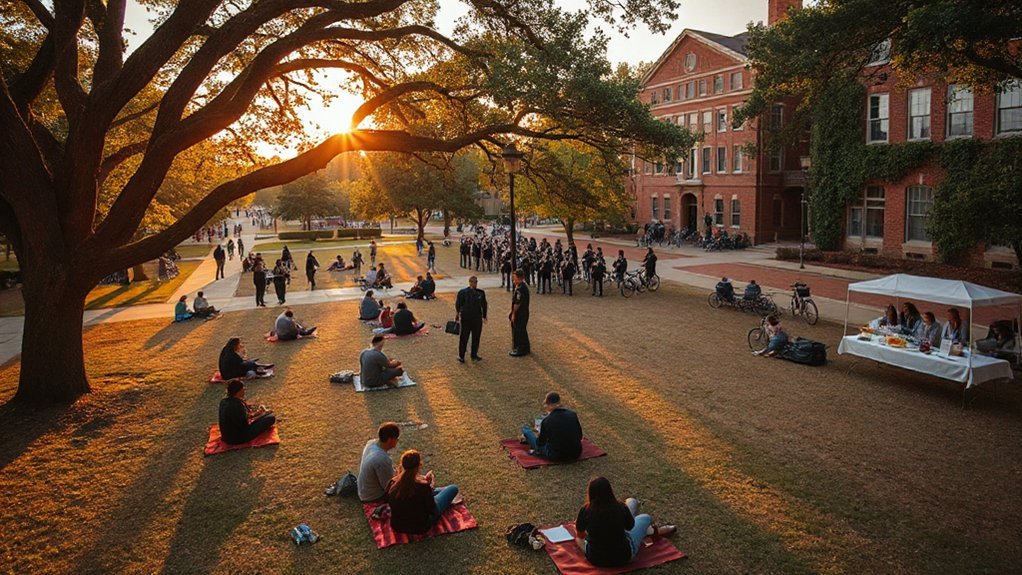
Let’s call it a culture shock with charm — you’re about to watch your kid trade grocery runs for soul food lines and late-night step rehearsals, and you’ll want the play-by-play. I’ll tell you what to expect on campus smells, sounds, and rhythms, who’ll show up at midnight tutoring, how homecoming turns into a citywide parade, and which forms you actually need to sign; stick with me and you’ll be the cool, useful parent they brag about.
Key Takeaways
- HBCU campus life centers on strong community, traditions, and spirited events like homecoming, step shows, and marching bands.
- Student organizations and Greek life offer mentorship, leadership opportunities, and close social networks for personal growth.
- Academic support includes tutoring centers, faculty mentorship, study groups, and structured resources to boost student success.
- Campus health and safety services provide counseling, medical care, emergency alerts, and escort programs for student well-being.
- Practical planning—FAFSA, housing contracts, budgeting, and emergency funds—is essential for a smooth college experience.
Understanding HBCU Culture and Traditions

If you’ve never stood in the middle of a homecoming parade at an HBCU, you haven’t felt joy that rattles your ribs—trust me, I learned that the hard way. You’ll notice brass and drumbeats first, then the sea of colors, cheers like waves. I tugged my hat, squinted into confetti, felt the bass in my chest, and laughed like an idiot. Expect ritual, respect, and stories older than your grandparent’s favorite chair. Folks call names, alumni hug strangers, and you’ll learn chants by instinct. Watch traditions unfold, honor them, don’t try to be the parade director. Ask questions, listen—especially to elders—and let the campus teach you its rhythm. You’ll leave changed, and happily louder.
Campus Social Life and Student Organizations
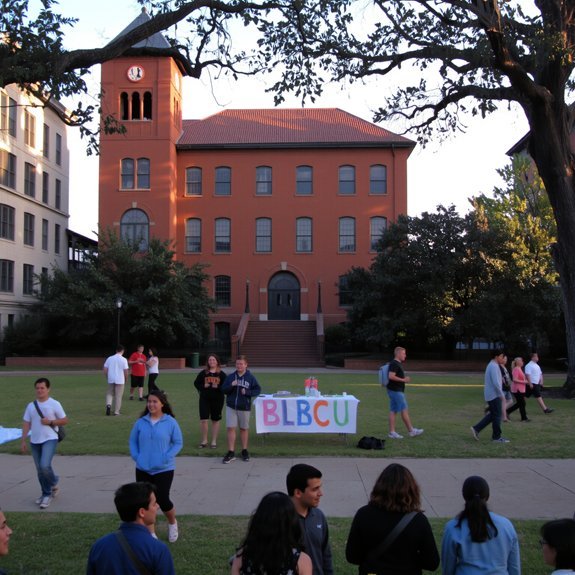
Picture a student center buzzing like a beehive—people everywhere, posters plastered on every bulletin board, pizza boxes stacked on a table—and that’s where you’ll find campus social life at an HBCU in full swing. You’ll see step shows thumping, laughter spilling down hallways, and students swapping flyers for debates, film nights, and service projects. Join a club, and you instantly get a crew, a purpose, and snacks. Greek life brings ritual, camaraderie, and marching bands that rattle your windows. Cultural groups celebrate heritage with food, fashion, and storytelling, you’ll feel it in your chest. Student government negotiates, plans dances, and nags administration—yes, they’re loud and effective. Expect late-night study breaks turned jam sessions. You’ll want to visit, listen, and join the fun.
Academic Support and Mentorship Resources
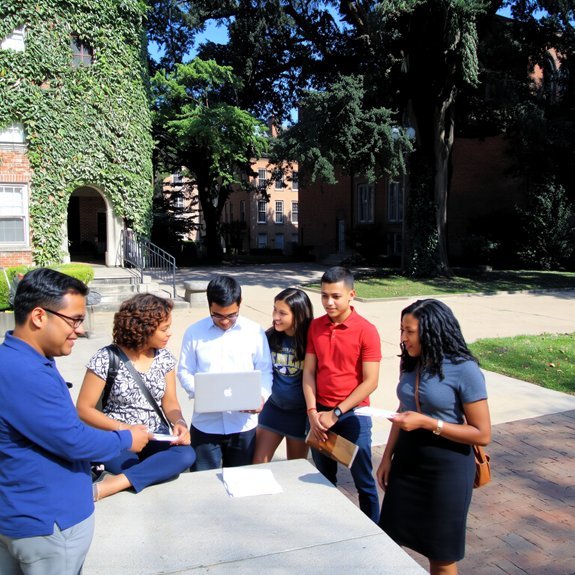
You’ll want to know where your student can get real help, so picture them walking into a bright tutoring center, earbuds out, notebook open, ready to conquer that midterm. I’ll point out the tutoring and learning centers, faculty mentoring programs, and peer study groups that actually work, and I’ll tell you which ones tend to feel like guided practice versus frantic last-minute rescue. Ask me about schedules and success tips next — I’ve got a few embarrassing office-hour stories to make you feel better.
Tutoring and Learning Centers
When students start swamped with readings, equations, and the mysterious new language called “syllabus,” tutoring centers are the lifeline I want you to know about—they’re bright rooms, whiteboards scrawled with half-sentences, and helpers who actually get why group projects make people cry. You’ll see tutors, grad students, even peers pacing, sketching diagrams, and handing out sticky notes like tiny rescue rafts. Walk in, grab a marker, admit confusion — that’s the trick. They offer drop-in help, scheduled sessions, and workshops that turn panic into a plan. Snacks sometimes appear. Your student will learn study strategies, time tricks, and how to ask better questions. I promise, those rooms make college feel less like freefall, more like teamwork.
Faculty Mentoring Programs
Think of faculty mentoring as your student’s academic secret handshake — a hand extended by a professor who actually remembers your name and cares whether you pass. I tell parents, you’ll see office doors open, coffee mugs clink, and real talk happen, not lectures. Your student gets one-on-one guidance, course planning, research chances, and blunt feedback — the kind that hurts now and helps later. Professors point out internship routes, write recommendation letters that sing, and push students into conferences where they learn to speak up. Expect check-ins, syllabus walks, campus strolls, and emails that read like pep talks. It’s personal, practical, and occasional tough love. Lean in, ask about matching systems, and encourage regular meetings — it pays off.
Peer Academic Support
Because classmates see the same syllabus bloodbath you do, peer academic support becomes your student’s secret study squad — noisy, honest, and oddly comforting. You’ll hear about study tables that smell like coffee and chalk, impromptu quizzes whispered over pizza, and seniors who’ll untangle professors’ cryptic hints like puzzle masters. They trade notes, quiz each other, and call out when someone zones out — lovingly, of course. Your student leads a flashcard army, joins a lab buddy system, or hops into review sessions where laughter breaks tension, and algebra suddenly makes sense. These peers double as accountability partners, career connectors, and crisis-savers during midterms. You can relax a bit; they’ve got each other’s backs, and often that’s enough.
Safety, Health, and Well‑Being Services
If you’re dropping your kid off and your stomach feels like a jazz band warming up—loud, off-key, and impossible to ignore, I get it, I’ve been there, I’ve paced the quad, I’ve memorized campus maps like they’re subway routes. Campus safety matters, so check emergency alerts, lighting, and shuttle schedules, ask about blue‑light phones, and learn the escort policy. Health services handle colds, counseling, and basic care; find the clinic, note hours, and get consent forms signed. Mental health resources are real—free counseling, support groups, crisis lines—don’t treat them like optional extras. Ask about vaccine requirements, confidentiality rules, and how they involve parents in emergencies. You’ll sleep better knowing where help lives, who answers, and when to call.
Financial Aid, Housing, and Practical Considerations
While you’re juggling FAFSA deadlines, lease terms, and the emotional freight of leaving your kid on campus, I’ll keep this simple and slightly less terrifying than tax season—promise. You’ll fill forms, scan pay stubs, and invent a new patience you didn’t know you had. Ask about institutional aid, work‑study, and scholarship renewals, then mark renewal dates on your calendar, okay? Visit dorms, sniff the air (yes, really), test that shower pressure, and measure closets with a tape measure like a tiny, domestic detective. Budget for books, laundry quarters, and weekend gas runs. Read housing contracts aloud, underline key rules, and photograph condition reports before move‑in. Keep an emergency fund, set up campus billing alerts, and maybe, just maybe, pack a comfort spoon.
How Parents Can Support Their Student’s Success
Let me start bluntly: you don’t have to become your student’s life coach, but you do need to show up—consistently, quietly, and with snacks. I mean it. Bring a care package, sit on the dorm steps, listen more than lecture. Ask specific questions: “What’s one win this week?” Not “How’s school?” Text a joke, not a sermon. Learn campus rhythms — chapel bells, meal times, late-night study spots — so your timing doesn’t irritate. Fund emergencies, teach budgeting, but let them try small failures. Cheer at events, hug on tough days, and call before you visit. Respect new friends and identities. Your steady presence is oxygen: visible, reassuring, low drama, and yes, occasionally peanut-butter-and-jelly-smeared.
Conclusion
I’ve seen this world up close, and you’ll want to lean in, not hover. Campus hums with music, laughter, and late‑night study sessions, and you’ll smell coffee and spirit in the air. Trust their growth, stay curious, ask concrete questions about money, housing, health, and safety, and remind them to join traditions that stitch them to community. Be present, not pushy—think coach on the sideline, not a referee blowing a whistle.