Tag: student wellness

  • How to Take a Break Without Falling Behind at an HBCU

    How to Take a Break Without Falling Behind at an HBCU

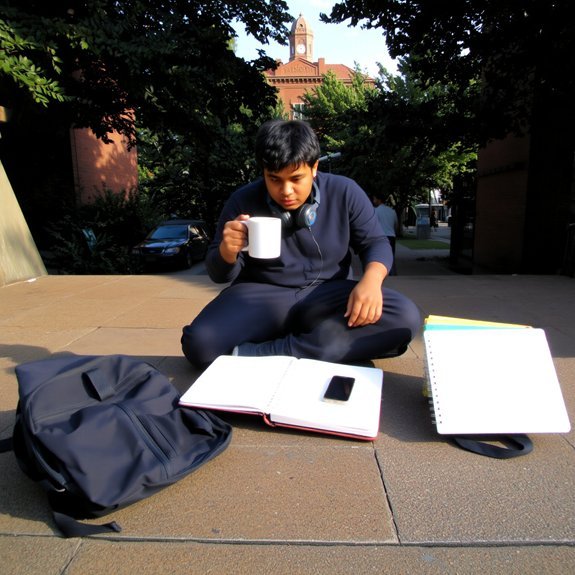
    Like Marcus Garvey telling you to rest before you run, you need a break that doesn’t wreck your GPA. I’ll say it straight: plan it, tell folks, and pack a tiny action list you can actually finish—no mythical “catching up later.” Picture yourself on the quad, warm sun, phone on Do Not Disturb, syllabus open—now let’s map the two-week move that keeps your peace and your grades intact.

    Key Takeaways

    • Schedule breaks around midterms and finals using your academic calendar to avoid conflicting with major deadlines.
    • Tell professors and advisors your exact absence dates early and arrange extensions or make-up work plans.
    • Prioritize high-impact assignments, block focused study slots, and use timers to stay efficient before your break.
    • Book campus support services (tutoring, counseling) in advance and set brief check-ins to maintain academic momentum.
    • Plan a gentle re-entry with small course goals, blocked study times, and a checklist of due dates to catch up smoothly.

    Recognize When You Really Need a Break

    recognize signs of burnout

    If you’ve been sprinting through classes, meetings, and late-night study sessions until your brain feels like day-old coffee, stop—really stop—and listen. You’re jittery, your shoulders live by your ears, and even your favorite hoodie feels like a straightjacket. I’ll tell you what to watch for: foggy recall, yawns that come from your bones, emails piling like unread laundry. You snap at friends, then apologize with a guilty laugh. Your notes look like hieroglyphs, and food tastes muted. Take a breath, touch a windowpane, feel the campus air—if it calms you, that’s a cue. Don’t wait for a breakdown; notice the small alarms, honor them, and step back before burnout becomes drama.

    Time Your Breaks Around the Academic Calendar
    plan breaks around deadlines

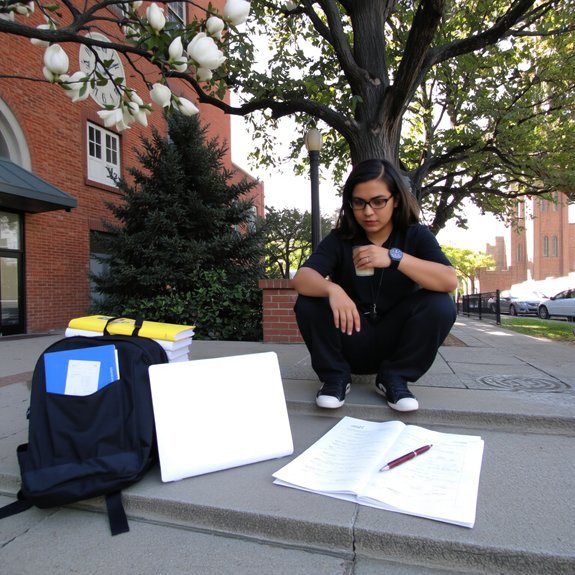
    You’ll want to plan your breaks around big deadlines, like midterms and finals, so you don’t crash into a paper or exam unprepared. I say block off chunks on the academic calendar — visuals help, and nothing beats the relief of a bright, empty weekend square. Pack a snack, shut your laptop, and actually leave campus when the calendar gives you a clear window.

    Plan Around Key Deadlines

    Because the semester’s heartbeat is a calendar, I start by stalking it like it owes me money—pull up that academic calendar, circle exam weeks, highlight add/drop deadlines, and sniff out registration windows like a bargain hunter in a yard sale. You’ll map your breaks to safe pockets, so you don’t implode during finals. Block travel when papers aren’t due, schedule mini-stays before intensive weeks, and stash study sprints after long weekends. Tell friends your windows, so invites don’t ambush you. Pack chargers, notes, and a snack that won’t betray you. Pretend you’re a project manager with feelings.

    • Reserve buffer days around big deadlines.
    • Prioritize hard classes’ milestones first.
    • Set alarms two weeks before major submissions.

    Use Academic Calendar Blocks

    When the registrar drops the academic calendar, I treat it like a treasure map—so pull yours up, zoom in until the tiny type looks like a ransom note, and start shading in the safe islands where you can actually breathe. You’ll spot midterm windows, reading days, and that blessed stretch between grades and finals. Circle those blocks. Block travel, naps, family dinners, whatever fills your tank. Tell professors early, reserve study rooms, and set alarms so your break doesn’t evaporate into email scrolling. Pack a tiny checklist: one assignment to finish, one social thing, one nap plan. When you return, you won’t be sprinting, you’ll be stepping in rhythm. Trust me, timing beats panic, every single time.

    Communicate Proactively With Professors and Advisors
    proactive communication with professors

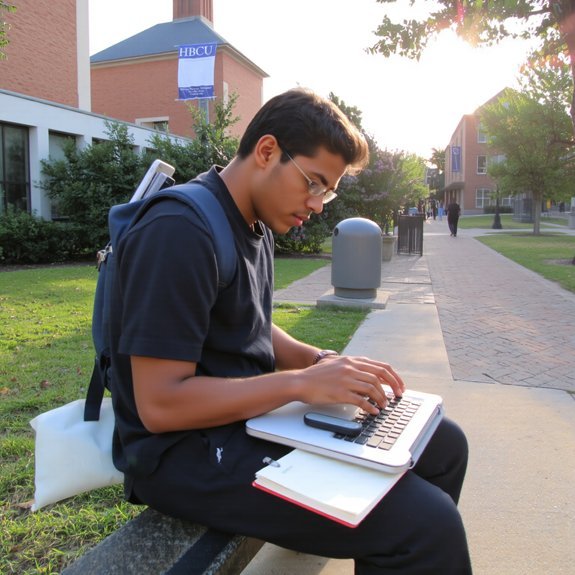
    Tell your professors before things go sideways, and do it early — shoot a short email or stop by after class so they can hear it from you, not the rumor mill. Lay out a clear plan: what dates you’ll be gone, how you’ll keep up, and which assignments you’ll hand in late, and say it like you mean it. Then ask straight-up about supports — extensions, tutoring, or advisor check-ins — so you’re not guessing when you get back.

    Notify Professors Early

    If you’re planning to disappear for a few days — or a whole semester — tell your professors early, and do it like you mean it. I mean, don’t text at midnight; send a clear email, calmly state dates, reasons in a sentence, and ask about missed work. Say it in person when you can, too — office hours beat mystery. You’ll feel lighter, and professors will respect you for being upfront.

    • Give specific dates, contact info, and preferred communication method.
    • Offer to check in occasionally, or name someone who can update you.
    • Ask about deadlines, substitutions, or short-term accommodations.

    You’ll sleep better, trust me. Being honest is practical, respectful, and surprisingly empowering.

    Outline Your Plan

    Because you’re not ghosting forever, treat your break like a project and outline the plan like you actually mean it — I do this with a notebook, a loose-leaf calendar that smells faintly of cafeteria coffee, and a stubborn highlighter. You tell professors what dates you’ll be out, what assignments you’ll finish before you leave, and what you’ll submit after. You propose realistic deadlines, offer brief check-ins, and ask for syllabus clues — page numbers, rubric hints, test windows. You copy advisors on emails, so no one plays telephone. You schedule a quick meeting, bring the crinkled calendar, and say, “Here’s the plan.” They nod. You breathe. You leave with a roadmap, not a mystery novel.

    Confirm Support Options

    Support is a check-in — loud, clear, and slightly inconvenient, which is exactly what you want. You email your professor, you tap your advisor’s calendar, you say, “Hey, I’m stepping back for two weeks, here’s my plan,” and you mean it. Say dates, say goals, say where you’ll be reachable. Don’t apologize for being human.

    I picture the inbox: subject line sharp, voice steady, no novella. They reply faster than you expect. You jot their suggestions, you schedule a brief follow-up call, you breathe.

    • Ask about missed lectures and prioritized readings.
    • Request extensions or alternate assignments, with deadlines.
    • Confirm check-in frequency, contact method, and emergency protocol.

    You leave the conversation lighter, options clear, confidence restored.

    Use Campus Support Services Strategically

    There’s a little map I keep in my head of campus services, and I’m telling you, it’s how I survive midterms and existential crises alike. You learn it fast: counseling center for a mind reboot, tutoring lab for the math monster, career services for the resume glow-up. Walk there, smell the coffee, grab a flyer. Ask quick questions, bring a draft, book a slot. Use email templates the advisers actually respond to. Share snacks with a peer mentor, they’ll remember you. Rotate between quiet study rooms and the wellness lounge, don’t camp in the library like a raccoon. Treat services like tools, not last resorts. Plan appointments before panic hits, and call them allies—because they are, even on your messiest days.

    Build Micro-Breaks Into Your Daily Routine

    If you peek at my schedule, you’ll see tiny islands of sanity tucked between lectures and lab reports — two-minute stretches where I shut my laptop, breathe like I mean it, and stare out at the quad until my eyes stop twitching. You can steal those minutes too. Slide a timer into your day, stand up, roll your shoulders, smell the coffee shop, feel the sun on your face for a beat. Micro-breaks reset focus without guilt. They’re cheap, legal, and oddly luxurious.

    • Look away from screens every 25–30 minutes, blink slowly, flex your hands.
    • Walk to the water fountain, sip, and hum a silly tune.
    • Do three lunges, laugh at your own dramatic form, then return calmer.

    Treat tiny pauses like study hacks, not laziness.

    Prioritize High-Impact Tasks Before Time Off

    Before you wander off to that picnic blanket or lock your phone in a drawer, finish the thing that actually moves the needle — trust me, your future self will thank you. Look at your to-do list, sniff the coffee, and pick the one task that changes grades or frees time later. Do the draft paragraph that scares you, submit the group doc, or email the professor one crisp question. Set a 45-minute sprint, close tabs, mute notifications, stare down the work like it owes you money. When the timer dings, you’ll feel lighter, the campus breeze will taste sweeter, and you can genuinely relax without that nagging dread. You’ve earned the rest, but only after you seal the important deal.

    Stay Connected to Your Community While Resting

    While you’re chilling on the quad, don’t ghost the folks who make campus feel like home — wave, shout a goofy hello, and plug into the small rhythms that remind you you’re not doing life solo. I’ll tell you straight: rest doesn’t mean vanishing. Sit by the fountain, let the sun warm your face, and catch up with your group chat while savoring that cold drink. Say yes to low-key invites, scout club tables for quick vibes, and cheer at a passerby’s practice run like you’re their unpaid hype squad. Those tiny interactions refill you. They’re balm, not busywork. Keep it easy, keep it real, and let community breathe life back into your batteries.

    Resting doesn’t mean disappearing — soak up the sun, wave at people, and let small, easy connections refill you.

    • Share quick check-ins.
    • Drop by casual events.
    • Offer small favors.

    Create a Re-entry Plan for a Smooth Return

    Once you’re ready to come back, you need a plan that’s smarter than just “wing it” — trust me, wings get soggy fast. I tell you, map your first week like it’s a small mission: list classes, due dates, and one tiny goal per course. Text your advisor now, set two realistic check-ins, and block study slots on your calendar, bright as warning tape. Walk campus before class, breathe the coffee and cut grass, scout the shortest route — you’ll thank me when you’re not late and breathless. Reconnect with one friend, send a funny “I’m back” meme, schedule a catch-up coffee. Start with doable tasks, celebrate tiny wins, and fold this plan into your phone — you’ll glide back, not crash.

    Conclusion

    You need the break, but you also need the grades — so let’s be smart. I say: close your laptop, breathe in cafeteria coffee and fresh lawn air, then text your professor a quick plan. I’ll cheer you on, you’ll get the missed notes, and the deadlines won’t bite. Take micro-breaks, use tutoring, and promise yourself one tiny celebration when you’re back. Rest hard, return sharp — you’ve got this, honestly.

  • How to Handle Academic Pressure at an HBCU

    How to Handle Academic Pressure at an HBCU

    Most people don’t know your professors expect you to ask for help — really — even if it feels awkward; I’ll show you how to make that awkwardness disappear. You’re juggling classes, work, and a social life that’s louder than laundry day, so let’s build routines that fit your rhythm, not some campus brochure fantasy. Start with tiny wins, lean on peers and tutors, and keep your sleep sacred — and then we’ll tackle the rest.

    Key Takeaways

    • Name your stress, set personal goals tied to values, and break them into small, measurable steps.
    • Build a portable study routine: one clear goal per session, Pomodoro blocks, and celebrate small wins.
    • Use campus supports: tutoring centers, professors’ office hours, and study-skill workshops proactively.
    • Ask for help early, cultivate peer mentors, and attend group wellness or drop-in mindfulness sessions.
    • Create three anchor habits (wake, move, focus), plan each night, and maintain flexible self-care rituals.

    Understanding Academic Pressure at HBCUs

    navigating academic pressures together

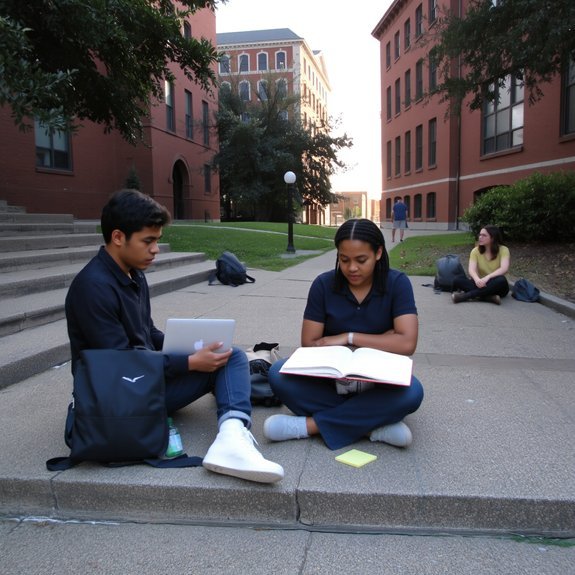
    When you first step onto campus, you’ll smell coffee, faint cologne, and that weird mix of printer toner and fresh-cut grass — and you’ll feel the weight of expectations, too, like an extra backpack you didn’t ask for. You notice families hugging, professors nodding, and your phone buzzing with “How’s it going?” You feel proud, anxious, excited. Pressure here wears many hats: legacy hopes, community lift, scholarship strings. You’ll compare grades, swap survival tips in line for ramen, and pretend you’re fine when you’re not. I tell you, that’s normal. Learn the rhythms, name the stress, say it out loud. Breathe, schedule real breaks, and find one honest friend to tell the truth to — you’ll be better for it.

    Setting Realistic and Culturally Aligned Goals

    culturally aligned personal goals

    You’ve already named the weight on your shoulders, and now we’re going to stop letting it boss you around. You pick goals that fit you, not someone else’s highlight reel. Say out loud what matters — family, community, that major you actually enjoy — then trim the rest. Break big ambitions into neighborhood-sized steps, measurable and kind. Honor cultural rhythms: church nights, family dinners, home-cooked smells that ground you, not guilt. Use language that respects your roots, call accomplishments by names your elders would recognize. If a goal sounds like a decree, rewrite it as an invitation. I’ll remind you when you wobble, with tough love and a joke. Keep goals honest, flexible, and proud; they should lift you, like slow, steady jazz.

    Building Study Routines That Fit Your Life

    flexible study routines needed

    Because life at an HBCU fills up fast — classes, chapter meetings, Sunday dinners that smell like your mama’s kitchen — you need a study routine that actually fits into your world, not some sterile planner from a productivity influencer. I tell you this: pick pockets of time that already exist, like between class and practice, or during that ten-minute walk. Keep a small kit — headphones, highlighter, index cards — so you study anywhere, even a noisy quad. Use one clear goal per session, read aloud when you need rhythm, sketch diagrams when words get dull. Swap study spots for fresh feels, text a friend for accountability, forgive days that tank, celebrate short wins with something tasty. You’re building a groove, not chasing perfection.

    Time Management Strategies for Busy Students

    If life at your HBCU feels like a jam-packed playlist that won’t stop, it’s on you to be the DJ — cue, skip, and remix tracks so the important stuff actually plays. Picture your day like a mixtape, feel the beat of class bells, the rustle of notes, the coffee aroma hitting mid-afternoon. You’ll block time like a boss, 25-minute sprints, five-minute breaks, then repeat — Pomodoro keeps you sharp, not fried. Say no more often, politely, like a smooth track fade. Use a big visual calendar, color-code urgent, due, and chill. Tuck tiny tasks into gaps — email replies between labs, readings on the bus. End each night with a two-minute plan, breathe, smile, try again tomorrow.

    Using Campus Academic Support Services Effectively

    You can start by finding the tutoring center, it’s usually a bright hub with flyers and free pens—ask at the student success office and snag a spot. Then, pop into your professor’s office hours, say something like, “I’m stuck on this problem,” and watch them turn confusion into a plan. Don’t forget the study-skill workshops; they’re short, practical, and will teach you tricks that actually stick, no magic required.

    Locate Tutoring Centers

    One good rule: treat the tutoring center like a study gym — show up sweaty from effort, not from panic. I say that because you’ll walk in, smell strong coffee, hear calculators clicking, and instantly relax. Find the building on the campus map, peek through the window, and spot students clustered around whiteboards. Ask the receptionist where drop-in hours are, grab a desk, and claim a tutor. Bring specific problems, your syllabus, and a pencil with bite marks — tutors love concrete questions. Sit with someone who explains concepts, not just fills worksheets. Trade wins: celebrate a solved equation, then jot next steps. Leave with a clear plan, a lighter chest, and, yes, maybe a free snack. Repeat.

    Schedule Professor Office-Hours

    Tutoring centers are great — they’re the campus equivalent of a sweat session for your brain — but there’s a different kind of gym where the gains come from conversation: professor office hours. Go, sit, and bring a question. You’ll get focused help, clarifying examples, and the chance to sound smarter than you feel. I promise, they like when you try. Knock, enter, offer a quick “thanks for seeing me,” then lay out what stumps you. Take notes, ask for a model problem, and set a follow-up. Office hours build rapport, and that matters come exam time.

    • Late-afternoon sunlight sliding across a desk
    • A stack of annotated syllabi
    • A marker sketching a problem on whiteboard
    • Your pen racing, coffee cooling
    • A genuine, patient nod

    Use Study-Skill Workshops

    If you haven’t been to a study-skill workshop yet, do it like you’d try a new coffee shop — curious, a little skeptical, and ready to be pleasantly surprised. I’ll tell you straight: these sessions are bite-sized game changers. You’ll sit in a bright room, smell warm coffee, tap a pen, and learn a trick that saves hours. Try the note-mapping demo, doodle your ideas, and watch confusion turn into a tidy plan. Ask questions, interrupt politely, make a joke, and you’ll remember more. Take the free handout, stick it in your notebook, practice that timing trick before the next quiz. Don’t be shy, show up often, and treat the workshops like a secret study weapon.

    Forming Study Groups and Peer Accountability Networks

    Because study doesn’t have to be a lonely late-night grind, I want you to envision this: you, a mismatched circle of classmates, textbooks spread like a paper city, coffee steam curling where ideas meet. You grab a marker, someone else claims the whiteboard, and suddenly complex theories lose their glare. You’ll pick roles: clarifier, questioner, timer, cheerleader. You’ll set short goals, swap notes, quiz each other, and leave with fewer mysteries and more laughs.

    • A sticky note skyline, scribbled formulas glowing under a desk lamp
    • Laughter bouncing off dorm walls, answers arriving like surprise guests
    • Warm mugs, cold pizza, the tactile comfort of shared highlight markers
    • A timer’s tick, hushed debates, nods of “got it”
    • Victory fist bumps on exam week

    Managing Financial Stress and Workload Balance

    Alright — study groups helped you crush problem sets and keep sanity in check, but money and hours on your schedule have their own kind of pressure, and they don’t politely raise a hand. You juggle shifts, textbooks, and deadlines, so start by mapping cash flow, not feelings: list income, bills, payday, then circle gaps. Cut subscriptions like bad dates, pack lunch, scout campus food pantries, ask financial aid about emergency grants. Trim work hours where grades dip, swap shifts with a friend, or pick micro-gigs that fit between classes. Negotiate with professors when a job clashes, show your schedule, ask for extensions sparingly. You’ll sleep better when your budget and calendar match, and you’ll stop sprinting on fumes.

    Prioritizing Mental Health and Self-Care Practices

    You’ve got to build a simple routine—wake, eat, study, move—so your days feel like a heartbeat, steady and predictable. When stress spikes, use campus mental health resources, knock on the counseling center door, or join that little support group you keep scrolling past. I’ll admit I’m biased, but asking for help is braver than pretending you’ve got it all together.

    Build a Consistent Routine

    Let’s carve out a routine that doesn’t feel like punishment—think of it as a stubborn little scaffolding that keeps you standing when everything else wants to wobble. You’ll pick three anchor habits: wake, move, focus. I’ll cheer, you’ll grumble, we both win. Set alarms that smell like commitment, not guilt. Block study sprints, five-minute stretches, coffee that’s actually decent. Keep a tiny ritual before bed — dim lights, a single page of something fun, teeth brushed like you mean it.

    • Sunlight on your face for two minutes, pretend you’re in a movie
    • A playlist that says “get to work,” not “panic”
    • A warm drink that signals focus
    • A thirty-minute walk with no phone
    • A sticky note that reminds you, “One thing today”

    Use Campus Mental Resources

    If campus life starts feeling like a pressure cooker, step into the wellness center before you start simmering—think cool air, soft chairs, and someone who actually listens without checking their phone. I tell you, use those services. Walk in, sign up, breathe. Counselors know the rhythms here, they get HBCU culture, they won’t gaslight your stress. Join a group session, try a drop-in mindfulness class, or grab a peer mentor who’s been there and survived. Call for crisis support if things spike, don’t suffer in silence. Tap counseling apps the school offers, schedule regular check-ins, and practice small self-care rituals—cold shower, three deep breaths, real sleep. You’ll feel steadier, smarter, and less dramatic—promise.

    Leveraging Mentors, Professors, and Alumni for Guidance

    Mentors are like campus GPS—sometimes they reroute, sometimes they yell, but they usually get you there; I learned that fast freshman year, standing under the oak by the quad with a professor who smelled like peppermint tea and patience. You’ll meet people who open doors, hand you a map, or roast your résumé—lovingly. Ask for office-hour coffee, text alumni for real-world receipts, let professors edit one paragraph, not your soul. Take their notes, argue kindly, laugh when you flub.

    • Hands warm from a paper cup, late-night lab light buzzing.
    • A voicemail, slow and steady, with career advice.
    • Sticky notes plastering a desk, deadlines circled red.
    • A firm handshake after a nervous presentation.
    • An email reply that smells like possibility.

    Conclusion

    You’ve got this. Picture Tasha, an HBCU sophomore—coffee steam rising, playlist low, textbooks circled in neon—who split big projects into snack-sized goals, asked a tutor for one hard problem, and swapped shifts with a roommate to rest; her GPA climbed, and she laughed more. Keep goals real, use supports, and celebrate tiny wins. I’ll cheer you on, but you’ll do the heavy lifting—smart, steady, and unapologetically you.