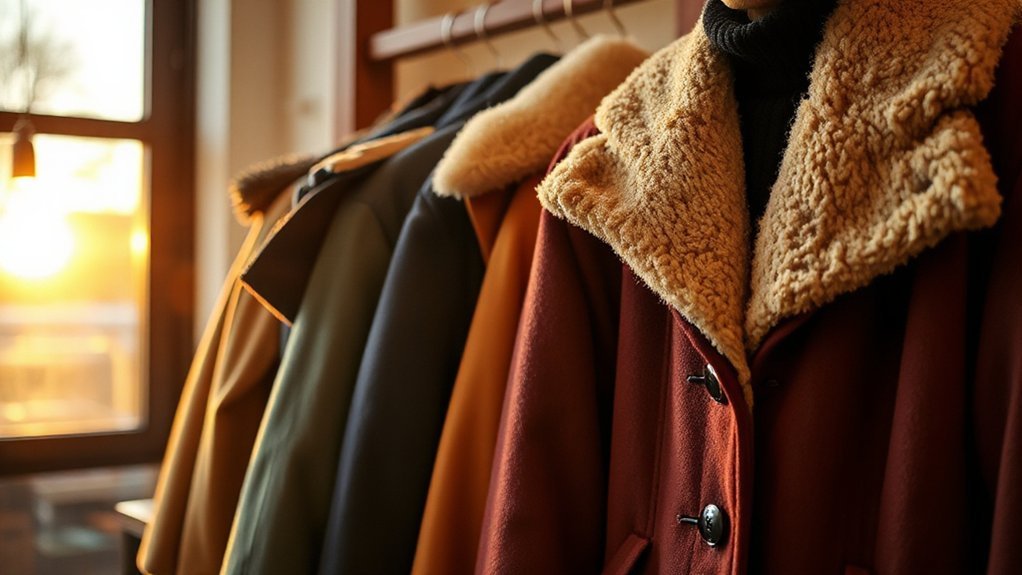
You want a coat that keeps you warm without turning you into a marshmallow, right? I’ll walk you through picking insulation, shell fabric, length, and useful bits like hoods and zippers, with real-world tradeoffs and a few wardrobe truths I’ve learned the hard way — like why shiny parkas look great until you sit on wet bus seats. Stick with me and you’ll end up cozy, dry, and not regretting your purchase — but first, tell me where you live.
Key Takeaways
- Match insulation type to conditions: choose down for dry cold, synthetic for wet or active use, or a hybrid for mixed needs.
- Prioritize a weather-appropriate shell: waterproof for heavy precipitation, water-resistant and breathable for light snow and active wear.
- Select length and fit based on mobility and layering: hip-length for movement, longer for wind protection, with room for a sweater.
- Check construction details: high-quality seams, reliable zippers, adjustable cuffs/hood, and durable abrasion-resistant fabric.
- Balance style, care, and budget: pick a versatile color, follow care instructions, and invest in repairs to extend lifespan.
Assess Your Climate and Typical Conditions

Even if you hate the cold, you’ve got to size up where you live before you pick a coat, so let’s play meteorologist for two minutes. You’ll note snowfall, wind tunnels down your street, and the way sidewalks turn to ice; these clues tell you if you need armor or something lighter. Think about your winter activities — commuting, shoveling, weekend hikes — and match mobility to warmth. Track temperature variations through the day, the bite at dawn, the sunlit thaw at noon, the sharp snap after dusk. I’ll ask blunt questions, you answer honestly: do you tolerate breeze, do you sweat under layers, do pockets matter? Make choices that fit your life, not a coat catalog fantasy.
Choose the Right Insulation Type
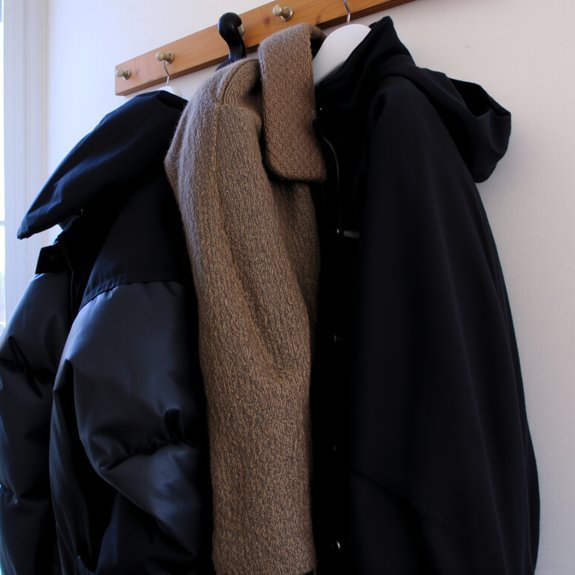
If you want a coat that actually keeps you from turning into a chattering icicle, start by picking the insulation that fits your life — down, synthetic, or a hybrid — because they behave very differently when you wear them. I’ll talk straight: insulation types matter for warmth retention, packability, and soggy commutes. You want loft, not pancake flattening. I prefer down for dry cold, synthetic when moisture’s a villain, and hybrids when you want both.
- Down: unbeatable warmth retention, light, fluffy, but loses magic when wet.
- Synthetic: keeps insulating when damp, dries faster, bulkier.
- Hybrid: smart mix, targeted warmth, practical compromise.
- Fit: snug cuffs, room for layers, avoid trapped cold.
Evaluate Shell Fabrics and Weather Resistance
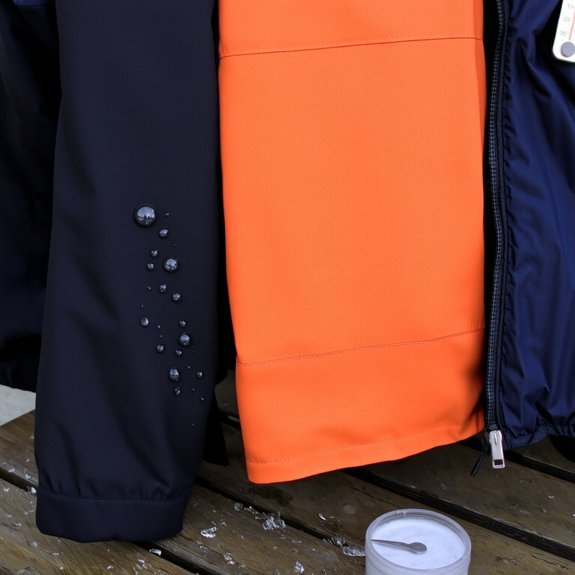
You’re about to pick the outer shell, so let’s talk rain and breathability like we’re standing under a stubborn drizzle. Choose true waterproof if you hate damp, water-resistant if you want lighter gear, and don’t forget breathability — you’ll roast without it, even when dry outside. Also check tough, abrasion-resistant fabric; you don’t want a jacket that flakes on the first rocky bench or bag strap.
Waterproof Vs Water-Resistant
How wet is too wet for your coat? You want to know if you’ll get soaked, shiver, or just look soggy. I’ll tell you straight: waterproof materials block heavy rain, sealed seams and all; water resistant coatings shrug off light drizzle but soak through in downpours. Pick based on where you live and what you do. If you commute in storms, go waterproof. If you need something lighter for city drizzle, water-resistant is fine.
- For long walks in rain, choose fully waterproof, no questions.
- For quick errands, a water resistant coating keeps you dry enough.
- Check seams and zippers; they betray false promises.
- Remember weight and packability; waterproof can be bulky, but reliable.
Breathability and Moisture Management
Because sweating into a parka feels like being slowly marinated, you’ve gotta think beyond “waterproof” and ask how a shell handles moisture from the inside out. You want fabric that breathes, moves air, and pulls sweat away—moisture wicking layers under a breathable shell stop clammy layers clinging to your skin. I’ll say it bluntly: if you overheat, you’ll chill later. Look for venting options, taped seams that don’t trap heat, and membranes that balance waterproofing with airflow. Picture warm air escaping as you hike, not condensing on your jacket’s lining. Good thermal regulation means you stay cozy, not soggy. Try on a coat, march around the shop, pretend you’re late for coffee, and feel the difference.
Durable Fabric and Abrasion Resistance
Alright, you’ve figured out how not to stew in your own jacket — now let’s talk about the stuff that actually survives a winter. You want fabric durability, not fashion drama. Pick shells that shrug off branches, backpacks, and subway chaos. Test the weave with your nails, feel the nap, listen for a crisp, confident rustle.
- Choose nylon or polyester with a tight weave, they resist tears and boost abrasion resistance.
- Look for reinforced panels at shoulders and cuffs, where life rubs the most.
- Prefer DWR coatings or laminated membranes, they bead rain and keep wind from sneaking in.
- Check seams and zippers, they’re the weak links, and you don’t want to be stranded in slush.
I’m blunt, but you’ll thank me when it still looks good next winter.
Decide on Length, Fit, and Layering Needs
If you want to stay warm without looking like a walking duvet, start by thinking about length, fit, and how many layers you’ll actually wear—this is where coat shopping gets tactical and slightly dramatic. I tell you: length options matter. Hip-length moves fast, shoulder-to-thigh for commuting, long coats hug knees and block wind. Try them on, zip up, sit, lift your arms. Feel the fabric, hear the swish. Fit considerations? Leave room for a chunky sweater, but not so loose you disappear. Tailored cuts trap heat near your torso; boxy cuts let air circulate. Picture yourself shoveling, grabbing coffee, or hailing a cab. Layer lightly, or plan for bulky insulation. You’ll know the sweet spot when movement feels easy and the mirror winks back.
Hood, Closures, and Practical Features
You’ve figured out the length and fit, now let’s armor up the rest of the coat—I’m talking hoods, closures, and the little gizmos that make winter liveable. Pick a hood design that shields wind, fits over hats, and has a stiff brim so snow rolls off; try it on, shake your head, imagine sleet. Consider closure types—zippers, snaps, toggles, storm flaps—each seals differently, some whisper warmth, others shout practicality. Pockets should be lined, deep, and zip-secure; cuffs that cinch keep heat in; a two-way zipper lets you sit without strangling your knees. I promise, these small things save shivers. Here’s what to test in-store, quick and merciless:
Armor up your coat: hood that fits over hats, snag-free closures, lined zip pockets, adjustable cuffs—test them, no mercy.
- Hood fit over a beanie, no blind spots
- Smooth, snag-free zipper action
- Secure, warm hand pockets
- Adjustable cuffs and hem locks
Match Style, Care, and Budget
You’ll want a coat that looks great with your jeans or office suit, but also keeps rain and wind from stealing your warmth. I’ll admit, sometimes I pick style and pay for hand-wash only care, so we’ll talk about how cleaning needs and repair costs change what you can realistically afford. Let’s sort through the trade-offs—fashion wins, or practicality—and figure out a budget that doesn’t make you cry over a ruined sleeve.
Style vs. Practicality
Because winter coats have to be both armor and outfit, I’m going to be blunt: style without function is a fashion tragedy, and practicality without personality is depressing as plain hot cocoa. You want warmth, you want to look good, and you don’t need a coat that screams “sacrifice.” Watch fashion trends, but let seasonal colors guide small choices — trim, scarf, liner — so you get joy without regret. I say pick a reliable silhouette, then flirt with flair.
- Choose a neutral base for everyday wear, add a pop with accessories.
- Test pockets: shove your hands in, slam a subway door, feel the zipper.
- Try the coat over the clothes you wear most, not what you wish you wore.
- Imagine rain, wind, and compliments, in that order.
Care and Cost
Style matters, but now think about what happens after you buy it: the coat has to live with you. You’ll wear it through sleet, coffee spills, subway elbows, and triumphant snowflake selfies. Read the care instructions like you mean it, because machine wash vs. dry clean changes your life and your wallet. I’ll tell you straight: a pricey down that needs pro cleaning bites into your budget far more than a synthetic you can toss in the washer. Do a cost comparison—sticker price, cleaning, repairs, and lifespan. Imagine the coat hanging, smelling faintly of cedar, feeling plump after a fluff in the dryer, or limp after neglect. Choose a coat you’ll actually maintain, one that earns its keep, and you’ll thank yourself.
Conclusion
You’ll pick the coat that actually survives your winters, not the one that looks cute on a mannequin. Think of insulation like a warm hug, the shell as rain armor, and the hood as a small, portable tent. Try it on, move around, zip it up—pretend you’re shoveling snow, or chasing a bus. I’ve bought my share of bad coats, trust me; choose one that feels like shelter, not a costume.