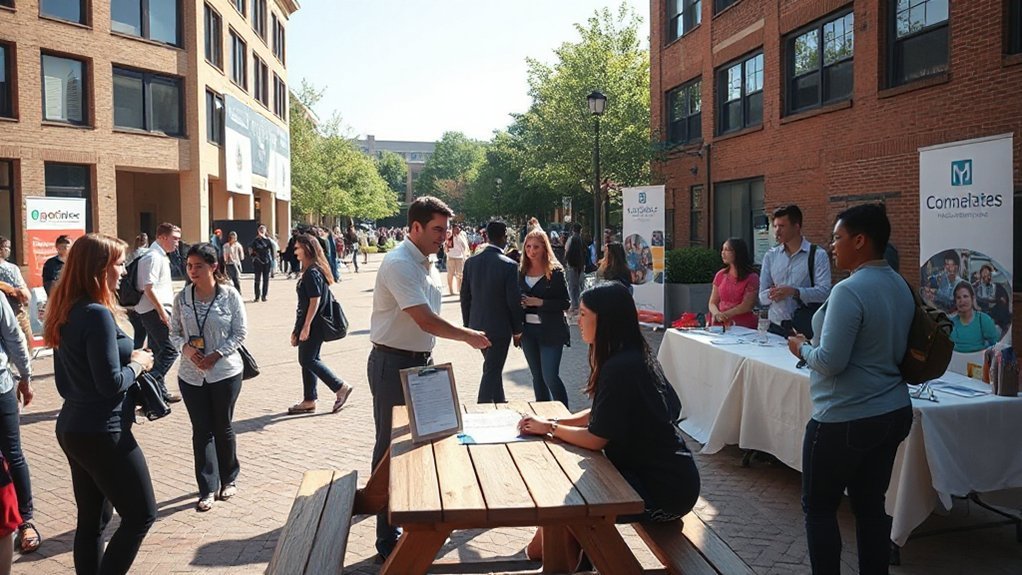
Remember the time a single summer internship turned a shy junior into the engineer who reworked a campus solar array—like a seed becoming a rooftop forest; you’ll find partnerships that way, through hands-on gigs, paid co-ops, and mentors who actually show up. I’ll walk you through how HBCUs trade talent, lab space, and bold ideas with companies, reshaping job descriptions, funding research, and building startups, and yes, there’s a few awkward meetings and triumphs along the way—stick around, you’ll want the next part.
Key Takeaways
- Corporations fund sponsored research, shared facilities, and joint labs to drive innovation and give students hands-on project experience.
- Companies create paid internships, apprenticeships, and bootcamps with mentorship and milestones to develop career-ready graduates.
- Partners invest in campus infrastructure—upgraded labs, faster networks, and shared instruments—to expand research and teaching capacity.
- Employers collaborate on inclusive hiring practices, recruiter training, and outcome tracking to diversify talent pipelines.
- Organizations provide training, compute and data resources, and co-managed equipment to accelerate research and reduce operational costs.
Strategic Internship and Co-op Programs
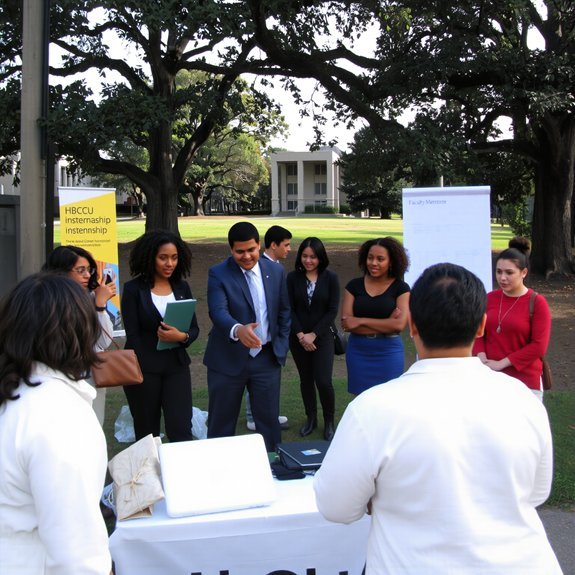
Okay, let’s talk internships — the ones that actually teach you stuff and don’t bury you in coffee runs. You walk into a bright lab or buzzing office, badge warm in your hand, and somebody says, “Try this.” You get real tasks, clear goals, and a mentor who answers questions instead of dodging them. You learn software by doing, present to teams, and feel the thrill when your code or design runs without crashing. Corporations set milestones, pay fairly, and sometimes bring snacks — small but essential. You build a portfolio, snag references, and see a path from campus to career, while the school helps place you, negotiates roles, and keeps the experience structured and meaningful.
Sponsored Research and Innovation Partnerships
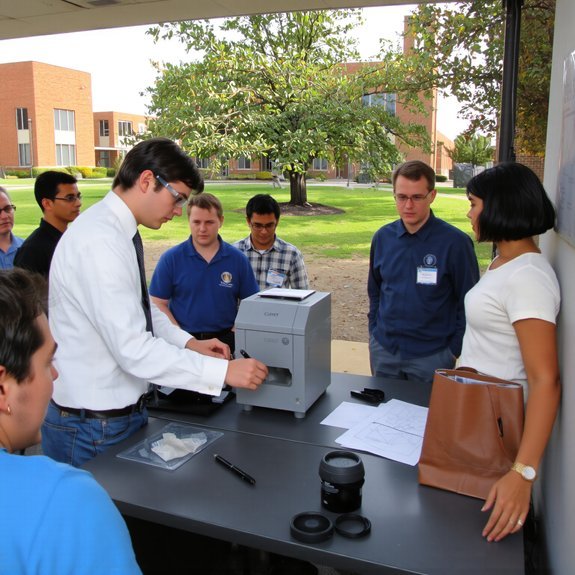
When universities and companies team up on sponsored research, magic happens — and by magic I mean long meetings, lab smells (a mix of coffee and chemistry), and actual breakthroughs that don’t live only in grant PDFs. You’ll walk into a lab, hear a centrifuge hum, and watch students tweak a prototype while a corporate engineer nods, scribbles, then asks, “Have you tried X?” I’ll grin, say yes, then we try X. You get shared equipment, funded postdocs, and real-world problems to solve, plus IP talks that make you squint. Partnerships let you publish, patent, and spin out startups without selling your soul. Expect tight milestones, clear deliverables, and occasional celebratory pizza when experiments finally behave. It’s messy, brilliant, and worth it.
Workforce Development and Skills Training Initiatives
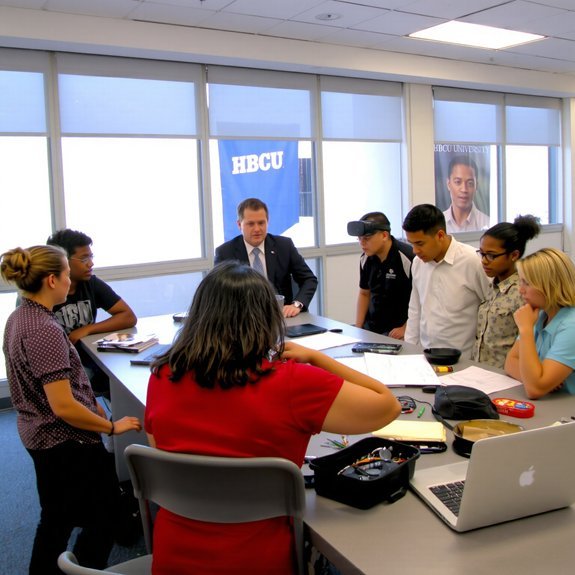
Sponsored research gets the lab humming and the funding flowing, but you don’t want brilliant papers sitting on a shelf — you want people who can take that work and run with it. You’ll see HBCUs team with companies to build bootcamps, apprenticeships, and hands-on labs, where you touch gear, type code, and troubleshoot in real time. I’ll say it straight: you learn by doing, and these partnerships put you on production lines, in clinics, or on design floors, side-by-side with mentors who actually care. They offer stacked credentials, micro‑certs, paid internships, and mock interviews that feel like a roast — honest, useful, memorable. You leave with a portfolio, callused fingertips, a network, and a job-ready swagger.
Diversity, Equity, and Talent Acquisition Collaborations
Three clear things happen when HBCUs and corporations get serious about diversity, equity, and talent acquisition: doors open, habits change, and recruiters stop pretending a résumé tells the whole story. You watch hiring panels swap checklist glare for curiosity, you smell coffee at late-night mock interviews, and you hear students ask bold questions that actually get answered. I lean in, I grin, I say it’s real work.
When HBCUs and companies get serious, doors open, habits shift, and recruiters start seeing people, not just résumés.
- You redesign job descriptions, ditching jargon that scares talent away.
- You build paid internships that teach, not exploit, and celebrate small wins.
- You train recruiters to listen, to scout potential, not polish.
- You track outcomes, hold partners accountable, and adjust fast.
It’s hands-on, human, and a little stubborn — in the best way.
Entrepreneurship Ecosystems and Venture Support
Picture five scrappy founders in a tiny conference room, red Solo cup on the table, whiteboard full of half-brilliant scribbles, and me leaning in like I own the place — that’s the energy an HBCU-corporate venture partnership brings. You get mentorship that’s hands-on, not corporate fluff. Sponsors wire seed grants, share lab space, send engineers to troubleshoot at midnight, and teach you how to pitch without sweating. Incubators on campus mix alumni networks with exec interns, and legal clinics help file that first patent — yes, the paperwork is a villain, we slay it. You’ll join demo days that actually matter, get feedback that’s brutal but useful, and walk away with real runway. It’s practical, gritty, and built to make your idea survive.
Community Engagement and Economic Development Projects
I’ve seen entire neighborhoods change over one summer, and you’ll feel it the first time you walk past a shop that used to be boarded up and now smells like coffee and fresh paint. You watch students, faculty, and corporate volunteers paint murals, open pop-up markets, and teach financial literacy at the rec center. You get your hands dirty, you hand out flyers, you see real jobs sprout where there were none. These projects bridge campus and city, and they write new stories for both.
- Mobile clinics offering screenings, staffed by students and corporate nurses
- Small business microgrants, paired with mentorship from company leaders
- Community tech hubs, stocked with donated gear and training programs
- Seasonal markets, food cooperatives, and shared workspaces for startups
Campus Infrastructure and Resource Investment
You’re about to see how upgrading classrooms and labs actually sounds and feels — new lighting that stops the squinting, workstations that hum, and glass-fronted spaces that invite collaboration. I’ll point out how faster Wi‑Fi and fiber connections change late-night study sessions into seamless research marathons, and how companies can co-fund shared instruments so your team doesn’t wait months for beam time. Picture me tapping a tablet, grinning: we’ll map out which buildings get love first, who brings the tech, and how to keep campus buzzing without selling the soul.
Upgrading Academic Facilities
The hum of new HVAC units and the click of smart boards are the sort of background noise that tells you a campus is awake again—trust me, I noticed it the minute I walked into the renovated science lab. You see, upgrades don’t just look good, they change how you learn, how professors teach, how experiments behave. I pointed, laughed at my own clumsy lab coat, and felt hopeful.
- New lab benches that don’t wobble, they stay put while you pipette like a pro.
- Lecture halls with sight lines that actually let you see the professor, even if you nap.
- Flexible classrooms that shift from seminar to studio in minutes.
- Restored libraries with sunlight, study nooks, and coffee that fuels finals.
You walk through, you breathe, you grin.
Technology and Connectivity Investments
When the Wi‑Fi actually holds and your video call doesn’t sound like a dial‑up ghost from 1999, campus life feels less like a scavenger hunt for signal and more like, well, school. You notice it first in small things: lights that don’t flicker when you plug in, printers that don’t jam at the worst possible second, study halls where you can stream a lecture without praying. Corporations fund upgraded routers, fiber lines, smart classrooms, and charging stations; you get faster upload, clearer collaboration, and fewer excuses. Walk past labs humming with steady power, hear keyboards clacking in rhythm, smell coffee, not burnt wiring. You get training, discounts on devices, and tech support that answers before you threaten the printer. It’s practical magic, and you appreciate every reliable ping.
Shared Research Infrastructure
Once corporations chip in, research labs stop feeling like glorified cluttered garages and start humming like actual workplaces — cold metal, bright screens, and the steady thrum of machines that do what you ask. You walk in, smell solder and coffee, and feel possibilities. I point out how shared infrastructure changes campus life: you get access, students touch gear, faculty scale projects, and partnerships breathe. It’s practical, it’s generous, and yes, it makes your CV look sharper.
- Shared core facilities cut costs, boost access, and shorten project timelines.
- Joint maintenance keeps equipment healthy, warranties intact, and downtime minimal.
- Training programs turn novices into confident users, faster.
- Data storage and compute clusters let you run real experiments, not guesses.
Conclusion
You’ll walk these halls knowing partnerships aren’t just buzzwords, they’re ladders you can climb — I’ve seen students tape résumés to hope, then step into paid internships that hum with real work, mentorship, and coffee-breathed deadlines. You’ll taste research sparks, feel startup jitters, watch campuses bloom with equipment and funded labs. These collaborations broaden doors, sharpen skills, and seed community wealth, so take the hand offered — it’s firm, warm, and surprisingly practical.