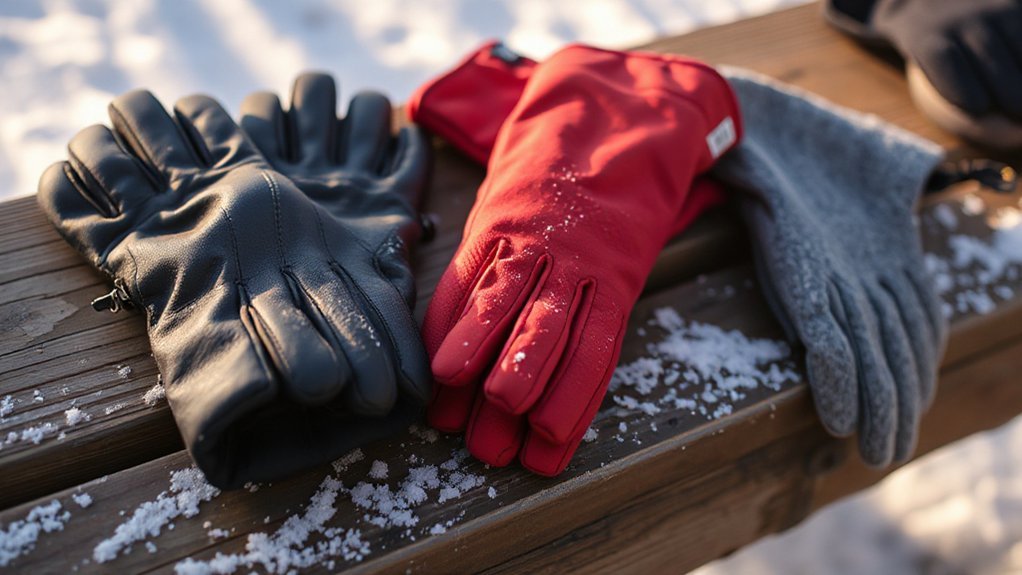
You want gloves that actually keep your hands alive, right? I’ll make it simple: think warmth, waterproofing, and whether you need nimble fingers or heavy-duty grip—no, mittens aren’t a betrayal, they’re a cheat code for heat. Picture wet snow, numb fingertips, fumbling your phone; now imagine insulated, breathable gloves that let you tie laces without doing the “sock trick.” I’ll walk you through the choices, pros and cons, and the quick fit test that separates myths from winners.
Key Takeaways
- Match glove type to activity (skiing, shoveling, commuting, or mountaineering) to balance warmth and dexterity.
- Choose insulation by need: down for warmth-to-weight, synthetic for wet conditions, fleece for layering and breathability.
- Prioritize waterproofing and windproofing (Gore‑Tex or sealed seams) while keeping sufficient breathability to avoid sweat buildup.
- Ensure a snug, non‑restrictive fit with correct finger length and cuff closure; test grip and touchscreen use before buying.
- Follow care instructions: wash gently, air‑dry flat, repair small tears, and rotate pairs to extend lifespan.
Assessing Warmth Needs and Insulation Types
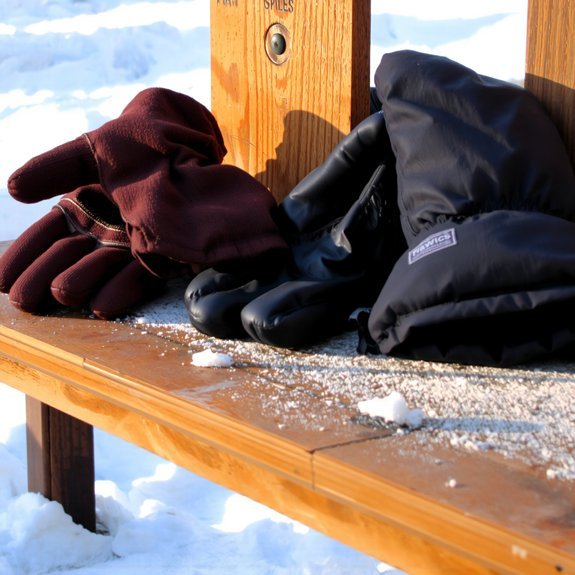
If you’re planning to brave the cold, start by asking exactly how cold: are you shoveling at dawn, skiing, or just walking the dog to the corner store? You’ll want gloves that match the job, so think about insulation materials, warmth ratings, and how long you’ll be outside. I’ll tell you straight: down’s great in still air, synthetic handles damp, fleece gives cozy immediacy, and bulky fill sacrifices dexterity. Feel the chill, imagine gripping a frosty shovel, picture ski poles biting snow, or tugging a leash with numb fingers. I’m blunt, because numb fingers ruined my morning once. Check warmth ratings like you’d check tire pressure—don’t guess. Choose based on activity, duration, and how much finger-freedom you’ll tolerate.
Waterproofing, Windproofing, and Breathability
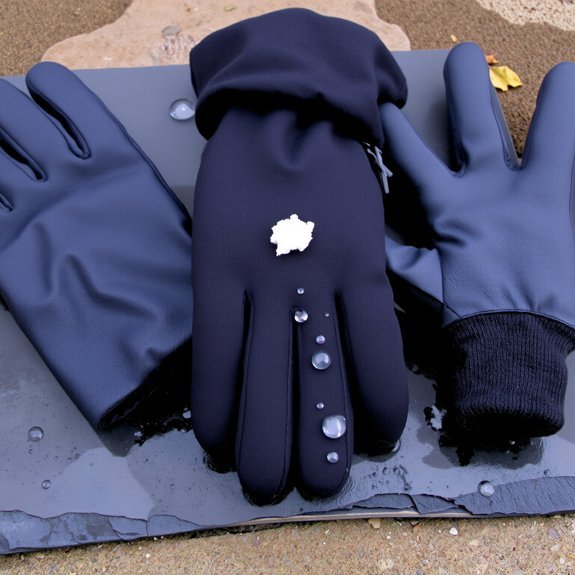
Because wet hands get mean fast, you’ve gotta think waterproofing, windproofing, and breathability like a three-way truce — they all need to work together or your gloves will betray you. I want you to picture pounding sleet, fingers numb, then a dry, warm squeeze — that’s the goal. Look for waterproof materials like coated nylon, Gore-Tex, or sealed seams, they stop water dead. Windproof shells block gusts, so heat doesn’t leech away. But don’t trap sweat; pay attention to breathability factors — venting, wicking liners, breathable membranes — or you’ll roast inside a glove sauna. Test them: snap snow off, cup your hand, feel for airflow. Choose balanced tech, not extremes, and you’ll keep working, skiing, or shoveling without drama.
Fit, Dexterity, and Sizing Tips
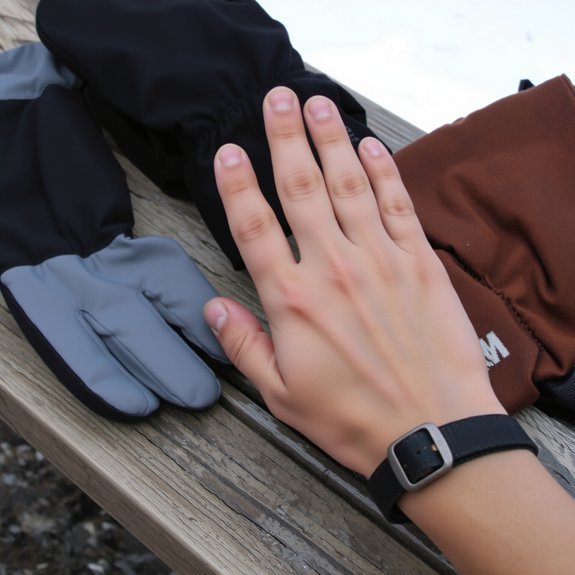
Three things matter most when you shove your hands into winter gloves: fit, dexterity, and sizing — and I’m going to make you care about all three. You want a glove that hugs your palm width without strangling circulation, that lets you wiggle fingers, not wrestle them. Check finger length: too short and your tips ache, too long and you fumble zippers like a confused raccoon. Try them on, tap your phone, grip a snowball, snap a mitten-to-mitten high-five. Feel the cuff sit snugly at your wrist, not riding up. Remember liners for cold days, thinner for tasks, thicker for standing-still shivers. Don’t guess—measure. I measure, I err, I learn; you’ll buy smarter, warmer, happier hands.
Choosing Gloves by Activity and Terrain
Alright—now that you know how a glove should hug your hand and let you actually use it, let’s match that fit to what you do out in the cold. You want gloves that suit the terrain, the motion, the weather, and your patience for frozen fingers. Think of purpose first: slope speed, trail grit, city wind, or porch shoveling. I’ll keep it blunt, because soggy mittens are tragic.
Match glove fit to your activity—terrain, motion, weather—and spare yourself soggy mittens and frozen fingers.
- Skiing gloves: insulated, waterproof, long cuffs; you’ll feel the cold bite without them.
- Hiking gloves: lightweight, breathable, grippy palms for rocks and roots.
- Commuter gloves: touchscreen tips, slim profile, quick warmth.
- Work gloves: reinforced palms, abrasion resistance, honest sweat control.
- Expedition gloves: multi-layered systems, emergency warmth, serious protection.
Care, Maintenance, and Longevity
I’ve seen gloves die slow, wet deaths on boot racks, and I’m not sentimental about gear that smells like last winter’s commute, so let’s keep yours alive. You’ll want regular glove washing, but check labels—leather gets wiped and conditioned, synthetics can take gentle machine cycles, and insulated gloves often need hand-washing to protect loft. Spot-treat stains, rinse thoroughly, squeeze water, don’t wring. Air-dry flat, away from heaters; heat shrinks and murders insulation. For storage tips, stuff fingers with acid-free paper or use a breathable bag, keep them dry, cool, and away from moth-prone wool. Deodorize with baking soda if things get funky. Repair small tears, replace worn liners, and rotate pairs. Do that, and your gloves will outlast your excuses.
Conclusion
You’ve got this — pick gloves that match your activity, insulation, and weather, and you’ll stay warm without fumbling. Fun fact: 70% of people say cold hands ruin their day, so don’t be that statistic. I’ve fumbled zippers, melted mittens on café lattes, and learned to test fit with a pen in hand. Try, move, and adjust; if your fingers still tingle, swap to thicker insulation or waterproof shells. Simple, done.