Like a sundial stuck in a snowbank, your skin’s craving sunlight in winter — and yes, you can fix that. I’ll walk you through quick outdoor tricks, tasty food swaps, and the exact supplement moves that actually work; picture brisk air on your cheeks, a mug of soup, and a tiny pill at lunch. You’ll learn what to do when clouds, skin tone, or medications get in the way, so you can stop guessing.
Key Takeaways
- Spend 15–30 minutes outside most days around midday with face and forearms uncovered to maximize winter UVB exposure where possible.
- Eat vitamin D–rich foods like fatty fish, fortified milk or juice, egg yolks, and roasted mushrooms to boost intake without supplements.
- Take a vitamin D3 supplement (commonly 600–2,000 IU daily) with a fatty meal, unless your healthcare provider advises otherwise.
- Get your 25(OH)D blood level tested seasonally, especially if older, obese, or medically at risk, to personalize dosing and track progress.
- Use bright light indoors, position near sunlit windows, and plan short outdoor walks to improve mood and indirectly support vitamin D habits.
Why Vitamin D Matters During Winter
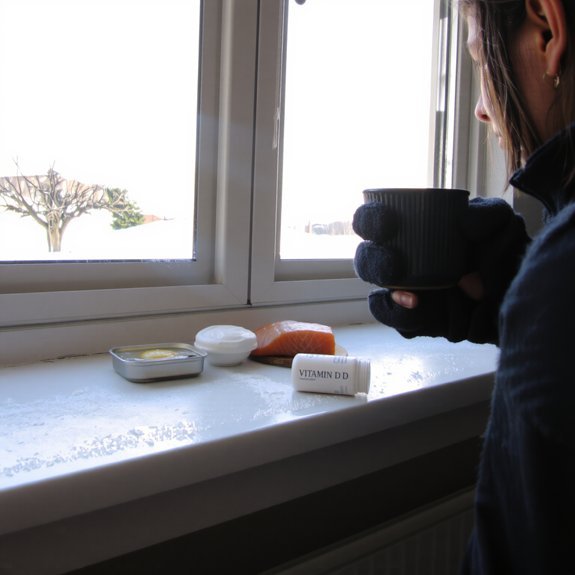
Because the sun clocks out earlier in winter, your skin’s vitamin D factory slows way down — and you notice it, trust me. You feel it in sluggish mornings, the thin light scraping your eyelids, and in the afternoons when your mood dips like a curtain. Vitamin D helps your immune system stand guard; when levels fall, you get snottier, slower, more annoyed at small things. It also nudges mood regulation, that quiet chemical steering joy and calm, so you might snap at a barista or cancel plans. I say this like a friend who’s been there: layer up, sip something warm, and plan deliberate light exposure. Little acts matter, they add up, and you can reclaim brightness even on gray days.
How Sunlight and Season Affect Vitamin D Production
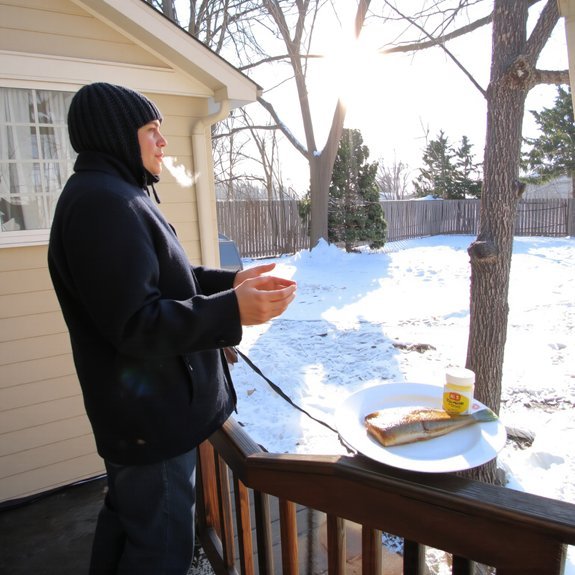
You’re outside squinting at the low winter sun, and I’ll tell you straight: the sun’s angle decides how much UVB reaches your skin, so a shallow sky equals less vitamin D. If you live far from the equator, seasons stack against you—shorter days and a slanted sun mean months when your skin barely gets a hit of UVB. I say this with a warm warning and a grin: knowing your latitude and the season helps you plan when to soak up rays, or when to get help from food and supplements.
Sunlight Angle and UVB
When winter drags its feet and the sun slides low in the sky, I’m the first to notice how different it feels on my skin—colder, thinner, like the light’s on a diet; that’s not just mood, it’s physics: the sun’s angle changes the amount of UVB that actually reaches you, and UVB is what kicks your skin into making vitamin D. You can watch sunlight intensity drop like a curtain. Tilt matters: shallow rays skim the atmosphere longer, scatter, lose the UVB wavelength mix your skin needs. Stand outside, face the light, feel the difference—warmer, sharper, more sting in your cheeks when UVB is present. I joke, but you’ll want to catch midday beams, expose arms briefly, timing beats guesswork.
Latitude and Seasonality
If you live farther from the equator, you’ll notice winter feels like someone turned the sun down—colder light, longer shadows, and way less of the UVB that wakes your skin up to make vitamin D. I’ll tell you straight: latitude variations matter. At higher latitudes, the sun rides low, its rays skim the atmosphere, UVB drops off, and your skin stalls on vitamin D production. Seasonal impacts are dramatic; in midwinter you might get almost zero usable UVB for weeks. So you swap beach vibes for sweaters, step inside more, and need a plan. Stand by a bright window, take short midday walks when the sun peeks, or use supplements—because blaming the clouds won’t raise your D.
Best Food Sources of Vitamin D for Colder Months
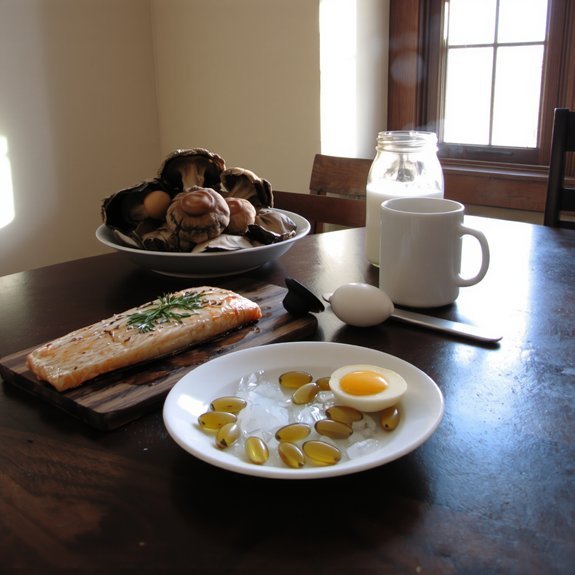
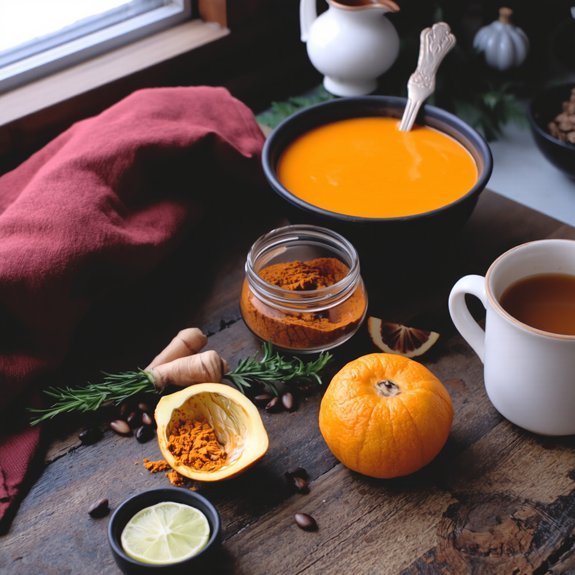
A few smart swaps can keep your vitamin D levels steady through the gray months, and I’ll show you the tastiest ones. You’ll want fatty fish first — think salmon, mackerel, sardines — seared crisp, smelling like the sea, flaked over salads or mashed into a punchy spread. Don’t forget fortified foods, like milk, orange juice, and cereals; they’re stealthy helpers, tasting familiar while doing the heavy lifting. Snack on egg yolks, mushrooms roasted until browned, and a little cheddar on whole-grain toast for comfort food that counts. Mix a quick tray of roasted mushrooms and salmon, I promise it’s easier than you think. Eat varied, plate colorfully, and keep portions regular — simple, tasty, effective.
Choosing and Using Vitamin D Supplements Safely
Because winter sun barely kisses your skin, you might need a supplement, and I’m here to make that decision less blah and more practical. You’ll pick between supplement types, D3 or D2, chewable, pill, or liquid drops—D3 usually wins for effectiveness, I admit, like the popular kid in school. Check dosage guidelines, aim for 600–2,000 IU daily unless your doc orders blood-tested amounts, and don’t double-dose because “more” isn’t always better. Read labels, look for third-party testing seals, store bottles away from heat and light, and take with a fatty meal so the vitamin actually absorbs. If you’re on meds, pregnant, or have health issues, call your clinician. I’ll nag you gently: test, choose wisely, dose sensibly.
Practical Sunlight Strategies When It’s Cold or Overcast
I’ll tell you how to snag sun even when it’s cold or gray: aim for midday rays, face a sunlit window, and take a brisk ten-minute walk with your sleeves rolled to let skin drink in what sunlight you can. Prop reflective surfaces—like a bright patio table or a white blanket—to bounce extra light onto your face, it’s cheap theater lighting for vitamin D. And if clouds or coats win, pair supplements with vitamin D–rich foods, so you’re covered without pretending a lamp is the sun.
Maximize Midday Sun Exposure
If the sky’s stubbornly gray, don’t sulk indoors—grab your coat and hunt for a bright patch of midday sun like it’s the last slice of pizza at a party. I’ll say it plainly: you want to work with sun position, and aim for ideal timing around local noon, when UVB peaks. Step outside, feel the cold air hit your face, and let a few minutes of cheek-and-forearm sun warm you. Take off your hat, roll sleeves, but don’t roast — short bursts beat long, chilly sittings. Walk to a bench, window, or courtyard that actually gets light, and stay 10–30 minutes depending on skin tone. I joke about pizza, but this is simple math: more direct light, more D, less drama.
Use Reflective Surfaces
When clouds or buildings steal the sun, don’t sulk—use what you’ve got: snow, windows, bright walls, even a shiny car hood will bounce precious UVB your way. I’m telling you, reflective surfaces are secret allies; sunlight reflection can boost exposure without a tropical passport. Stand where the light bounces, roll up sleeves, tilt your face, soak it in. It feels crisp, a mild zing on your cheeks, like a cheeky high-five from the sky.
- Snowfields: lie back briefly, let the glare hit your neck and forearms.
- Windows: find a sunlit pane, open it, face the light for a few minutes.
- Bright walls/cars: position yourself so reflection hits exposed skin.
Try it, but don’t roast—be sensible.
Combine Supplements and Diet
Because sunlight takes a vacation in winter, you’ve got to be smart about where your vitamin D comes from, and I’m here to help you map the plan. You can combine supplements and diet, and you’ll thank me when your mood brightens and your bones stop whining. Start with a daily supplement, pick D3, and consider supplement combinations like D3 plus K2 if you want better calcium routing — check doses with your doc. Load your plate with dietary sources: fatty fish, egg yolks, fortified milk and cereal, mushrooms kissed by UV light. Snack: sardines on toast, lemon on top, crunchy and oddly triumphant. Track intake, test levels once or twice a year, adjust, and don’t panic; you’ve got this.
Special Considerations: Age, Skin Type, and Health Conditions
Although everyone needs vitamin D, your age, skin, and health whisper different orders to the rest of your body, and you’d be smart to listen; I’ll walk you through the main plot twists so you don’t accidentally under- or overdo it. You’ll notice age factors influence how well your skin makes D, and skin sensitivity changes how long you’ll dare the sun. I’ll be blunt, and helpful.
- Older adults: bones crave more, absorption drops, consider higher-dose supplements after a doc chats.
- Fair vs. dark skin: fair burns fast, dark needs longer sun, both have trade-offs — sunscreen’s a friend.
- Health conditions: obesity, kidney or liver issues, absorption problems — these tweak dose and testing plans.
Signs of Low Vitamin D and When to Test Levels
Curious what small, sneaky things your body does when it’s low on vitamin D? You might feel tired in a way that sleep won’t fix, muscles ache like you overdid a workout you never did, and bones can throb when the cold hits. Your mood may dip, you get more colds, and hair feels thinner—annoying, but telling. That’s vitamin D deficiency whispering, then nagging. I recommend tracking symptoms, jotting them down, and talking to your clinician about testing frequency; don’t wait for a crisis. A simple blood test—25(OH)D—gives clear results, fast. If you’re under treatment, check every few months until stable. If you’re guessing, get tested; it’s quick, precise, and oddly empowering.
Lifestyle Habits That Support Healthy Vitamin D Status
Okay, now that you know when to test and what the low-vitamin-D vibes feel like, let’s talk about what you can actually do every day to keep levels happy. I’ll be blunt: small lifestyle changes add up, and you don’t need to become a sun-worshipper. Get outside, feel the cold air on your cheeks, squint in weak winter light.
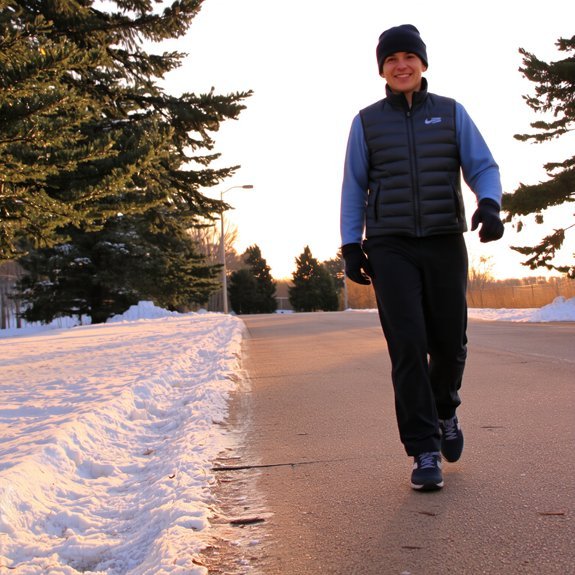
- Spend 15–30 minutes daily on outdoor activities, brisk walks or dog-play, skin exposed when safe.
- Eat vitamin-D rich foods, like oily fish, fortified milk, and egg yolks, and rotate supplements if needed.
- Layer smart: short sun breaks with exposed forearms, consistent sleep, and a reminder to test seasonally.
You’ll feel steadier, brighter, less like a soggy sweater.
Conclusion
Think of winter as a sleepy sun you can still wake. I want you stepping into that cold light—15–30 minutes around midday, cheeks stinging, breath visible—so your skin soaks up UVB. Eat salmon, fortified milk, and yolks, or take D3 with a fatty meal. Test if you’ve got risks, adjust dose, and talk to your doc. You’ll feel warmer inside, literally and otherwise—sunny, steady, practical, like a small rebellion against gray.