
An HBCU is like an old drum — every beat carries history, pride, and a little stubborn rhythm you’ll feel in your chest. You’ll walk past banners, smell tailgate smoke, meet professors who actually know your name, and join traditions that make you grin and roll your eyes. I’ll tell you what to expect, what to pack, and how to survive those first loud, glorious weeks — but first, a quick heads-up about money and mentorship…
Key Takeaways
- Expect a close-knit, culturally rich community with strong traditions, mentorship, and a lively quad atmosphere.
- Engage early with professors and advisors—faculty are accessible and eager to mentor you.
- Prioritize FAFSA and HBCU-specific scholarships, and meet with financial aid officers for guidance.
- Dive into campus life—clubs, step shows, and tailgates build networks and emotional support.
- Use the career center early for resumes, mock interviews, internships, and alumni networking.
Understanding HBCU History and Culture
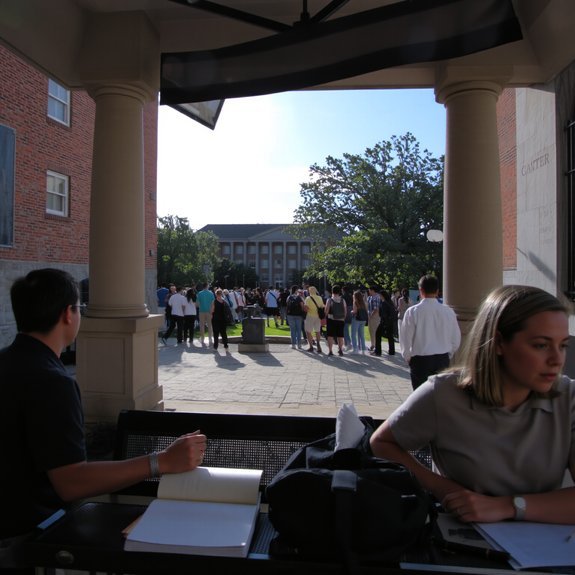
If you walk onto an HBCU quad expecting quiet, you’ll be pleasantly wrong: you’ll hear brass from a band that sounds like sunlight, laughter that bumps off red brick, and professors who call you by name before you can finish your sentence. You’ll learn history here that isn’t just facts, it’s heartbeat—stories of resistance, brilliance, and community stitched into buildings and syllabi. You’ll feel legacy in ceremonies, hear it in chapel hymns, smell it in late-night cookout smoke. Expect mentors who push you hard because they know your worth, classmates who become chosen family, and a cultural richness that shapes your voice. I’ll warn you: you’ll leave different. And you’ll like that change, even when it surprises you.
Campus Traditions and Student Life
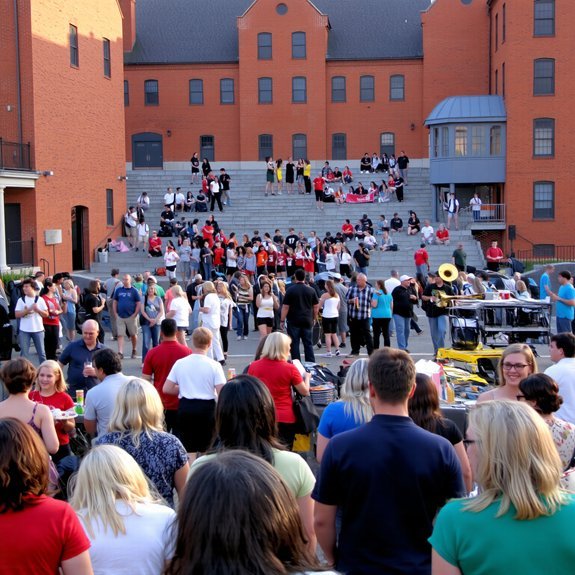
When you walk past the quad on a Saturday, don’t be surprised if the air’s sticky with barbecue smoke, the band’s brass is blasting like somebody turned sunlight up to eleven, and half the campus is in coordinated T-shirts that tell a story you haven’t learned yet. You’ll join tailgates that smell like sweet rub and old friendship, clap to drum cadences that make your chest tick, and learn chants by heart so you can fake-confidence at halftime. There are step shows that slap, open mics that sting with truth, and family dinners where elders insist you take seconds. Homesick? Go to late-night study lounges that turn into therapy circles. Expect laughter, ritual, brotherhood and sisterhood—messy, loud, fiercely loving—and bring elastic waistbands.
Academic Expectations and Faculty Relationships

You’re going to notice the classes move fast, professors expect sharp work, and late-night study sessions will smell like coffee and determination. Don’t be shy—faculty here are usually accessible and want to mentor you, so knock on doors, send emails, and ask the tough questions. I’ll tell you straight: meet your professors early, show up prepared, and they’ll push you harder and help you further than you’d expect.
Rigorous Classroom Standards
Because the classroom here doesn’t do hand-holding, expect to wake up your brain and keep it awake. I’ll tell you straight: professors push hard, they call on you, they expect evidence, not excuses. You’ll feel the scrape of chalk, hear heated debate, turn pages late into the night. Come ready.
- Read everything — even the stuff that makes you sigh.
- Speak up — questions show you’re trying, not clueless.
- Prep presentations — rehearse aloud, feel the words in your mouth.
- Meet deadlines — late work isn’t romantic, it’s costly.
I poke fun at myself when I flub an answer, and you will too, but you’ll grow. The rigor sharpens you, like a good, honest grind.
Mentorship and Accessibility
Ever wonder who’s got your back in a place that expects you to show up sharp? I’ll tell you: mentors do. You’ll find professors who open office doors, call you by name, and actually remember your weird major. Walk into a sunlit hallway, hear laughter, grab coffee with an advisor who plots your schedule like a chess game. They push you, yes, gently and then not so gently, because they want you to level up. Accessibility matters—real talk—office hours, texts, quick emails, weekend meetups. Don’t be shy, introduce yourself, admit confusion, ask for examples. You’ll get critiques that sting, and praise that glows. I promise, those relationships—tough, warm, immediate—turn into networks, references, and lifelong friends.
Financial Aid, Scholarships, and Budgeting Tips
If I’m honest, money talks louder than pep rallies when you’re packing for campus — but don’t panic, I’ve got your back. You’ll hunt for aid like it’s buried treasure, smell old campus brochures, and type FAFSA late at night, caffeine and hope in hand. I’ll walk you through grants, loans, and scholarships, so you don’t drown in paperwork.
- Fill FAFSA early — it’s the golden ticket, really.
- Search HBCU-specific scholarships — professors and alumni fund gems.
- Track deadlines in one calendar — color-code for stress relief.
- Build a simple monthly budget — groceries, textbooks, late-night pizza.
Ask financial aid officers questions, keep copies of everything, and haggle for better offers. You got this.
Housing, Safety, and Campus Resources
You’ve wrestled FAFSA into submission and budgeted for ramen and ramen-adjacent meals, now let’s talk where you’ll actually sleep, study, and sneak late-night snacks. You’ll tour dorms that smell like laundry detergent and ambition, touch lumpy mattresses, test closet space, and ask about AC—because you will regret heat. Learn lock policies, guest rules, and roommate agreements; say what you mean, mean what you say. Campus safety isn’t a lecture, it’s practical: download the alert app, memorize blue-light locations, and walk with friends at night. Use the counseling center before stress blooms, hit the career hub early, and scout quiet study nooks in the library—yes, even that sunny alcove by the ficus. Keep receipts, know office hours, ask lots of questions.
Getting Involved: Clubs, Greek Life, and Leadership
You’re going to meet your people on campus, whether it’s in a cramped student lounge over burnt coffee, at a loud club fair under string lights, or in a late-night study group that somehow turns into karaoke. I’ll give you the straight talk on how Greek life works here, what questions to ask, and how to avoid the drama nobody warns you about. Then we’ll map out easy ways to snag leadership roles—think student gov, club officer, or event chair—so you leave with stories, contacts, and real skills, not just T-shirts.
Finding Your Community
Where do you go when the campus feels like a movie set and you’re the extra trying to find the call time? You wander quad paths, smell coffee and drum practice, and tap doors until one opens. I tell you straight: get active, try things, don’t wait for magic.
- Visit club fairs, sign up, go to the third meeting — that’s where people are real.
- Volunteer at events, you’ll meet doers, not just posers.
- Run for small leadership first, learn ropes, collect insider jokes.
- Hang in common spots — late-night study rooms, choir rehearsals, the corner diner.
You’ll find weird, loud, kind people. That’s your crew. Be curious, be awkward, be brave.
Navigating Greek Life
If you want to know what Greek life actually feels like, don’t picture a movie—picture sweaty step practice at midnight, the scent of collard greens from a campus cookout, and a line of people trading stories like baseball cards. You’ll peek into chapter houses, hear drums, catch a chant, and decide if the rhythm fits. Ask questions, watch a step show, taste the food, and don’t join because everyone says you should. Some chapters focus on service, others on social bonds, some on history and activism—find the beat you can march to. Expect rituals, tight friendships, and obligations, but also mentorship, networking, and late-night study squads. If it’s not for you, that’s fine—plenty of other ways to belong.
Building Leadership Experience
A campus is a tiny kingdom for practicing boss moves, and I swear, leadership isn’t some fancy badge you get after one meeting — it’s the messy homework, the midnight emails, and the weirdly satisfying buzz when a crowd actually shows up. You’ll immerse yourself in clubs, panels, and rush events, you’ll learn to speak up, and you’ll flub a speech in public once — laugh, fix it, move on. Think hands-on roles: plan a mixer, run social posts, manage budgets, recruit friends who owe you favors.
- Lead a project, get cold pizza and applause.
- Join a committee, inherit tedious tasks, learn systems.
- Rush a chapter, build ritual and brother/sister energy.
- Start a pop-up event, test ideas, collect sweaty feedback.
Navigating Identity, Community, and Support Services
Because I walked onto my first HBCU quad with my heart doing drumrolls, I’m not going to sugarcoat this: you’ll feel like you’re both home and a tourist, sometimes in the same breath. I noticed the smell of barbecue and textbooks, heard laughter, felt warm nods from strangers who might become family. You’ll find affinity groups, faith circles, counseling centers, and a campus nurse who actually remembers your name. Go to meetings, ask questions, sit in the student center — don’t hover. If your identity feels complicated here, that’s okay, bring snacks and say so. Use support services early, not as last resorts. I learned to pick mentors, keep my weirdness, and lean into conversations that hurt and heal.
Career Preparation, Internships, and Alumni Networks
When I first peeked into the career center, the fluorescent lights and stacks of résumés felt oddly like a backstage pass, and I knew I had to hustle my way in. You’ll learn to treat that room like rehearsal. Shake hands, ask blunt questions, and laugh at your own awkward elevator pitch — everybody does.
- Visit early, bring a résumé, ask for mock interviews.
- Hunt internships through campus portals, professors, and class announcements.
- Use alumni panels, don’t be shy — they remember names, favors, and funny freshmen.
- Keep a spreadsheet of contacts, deadlines, and follow-ups.
I’ll nudge you: follow up quickly, send thank-you notes, and show up prepared — opportunity likes punctual people.
Health, Wellness, and Mental Health Resources
If you think college is all late-night study sessions and cafeteria mystery meat, think again — your body and brain are marching orders. You’ll find health centers that actually care, staffed by nurses and counselors who know your name, not just your student ID. Walk in, take a breath, get a check-up or a flu shot, easy. Mental health services are there too, with therapists, support groups, crisis lines, even mindfulness sessions under the oaks — yes, literally, sit on a bench and breathe. Fitness classes, nutrition workshops, and peer wellness ambassadors keep things real. Don’t wait until you’re burnt out; text, call, or drop by. I promise, asking for help is strength, not drama.
Conclusion
You’re about to plunge into a world that hums with music, history, and late-night study sessions that smell like coffee and ambition. I promise, you’ll scream at halftime, cry at commencement, and find a mentor who texts advice at 2 a.m. Be bold, join things, ask questions, and budget like a boss — FAFSA first, ramen second. You’ll mess up, laugh, grow, and leave so proud it hurts. Go make that campus yours.
Leave a Reply