
You’re juggling classes, campus life, and maybe a budget that screams “emergency ramen,” so work-study is your backstage pass to cash and resume cred — no awkward cold calls. I’ll walk you through who qualifies, where the jobs hide (think labs, student life, community sites), and how to snag hours without flunking your schedule; you’ll get concrete tips, a few war stories, and one honest truth that changes everything — but first, let’s get your FAFSA in order.
Key Takeaways
- File the FAFSA early to determine federal work-study eligibility and receive an award letter from your HBCU’s financial aid office.
- Explore on-campus, academic-department, student-life, and community-based positions that match your skills and schedule.
- Bring required documents (ID, résumé) to your interview and follow up with the financial aid office for job listings.
- Track hourly caps and earnings carefully to avoid affecting other need-based aid and to stay within award limits.
- Use work-study roles to build résumé achievements, gain responsibilities, and network for future career opportunities.
Understanding Federal Work-Study Eligibility and How to Apply

If you want help paying for school, the Federal Work-Study program is your backstage pass—quiet, practical, and a little underappreciated. I’ll walk you through who qualifies, what you’ll need, and how to apply, no drama. You start by filing the FAFSA, breathe, that’s the gateway; report income, family size, and school choice. You’ll get an award letter if you qualify, then talk to your financial aid office, that’s where the real hustle happens. Bring ID, résumés, and a can-do attitude. On-campus roles often favor students with demonstrated financial need. Deadlines matter, so don’t snooze. You’ll sign paperwork, set hours, and get paid—usually by check or direct deposit—easy, steady, helpful.
Types of On-Campus and Community-Based Work-Study Positions
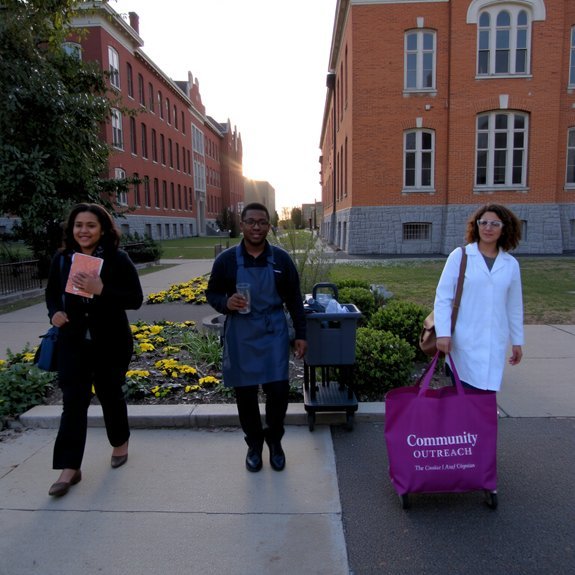
You’ve got the FAFSA done, paperwork signed, and the financial aid office on speed dial—now let me show you where the work actually lives. On campus, you’ll sort library books, man the info desk, or run lab prep—quiet shelves, the scent of paper, gloves snapping on. In student life, you’ll set up events, hang banners, hustle pizza for late-night study sessions, hear laughter and mic feedback. Academic departments hire tutors and research assistants, where you’ll take notes, code data, or pipette in a fluorescent glow—nerdy and rewarding. Community-based roles place you at clinics, non-profits, after-school programs; you’ll teach, file forms, drive outreach, hear real gratitude. Pick what fits your skills, schedule, and personality—yes, even your weird one.
Timing, Deadlines, and How Work-Study Affects Your Financial Aid Package

Because deadlines are sneaky, let me beat them to the punch: work-study hours and award timelines can change your whole fall plan, so you’ll want to know the dates, lock in a job, and pencil the paycheck into your calendar now. I tell students to check award letters the minute they land, because work-study is often listed separately, with start dates and caps. Call financial aid, don’t wait for an email. Snap a photo of your award, circle the deadline, set two alarms. Know your hourly cap — once you hit it, the fund stops, not you. Keep receipts, log hours, and understand how earnings interact with grants and loans; sometimes pay lowers your need-based aid. It’s paperwork, but it’s money, so stay sharp.
Strategies for Balancing Work-Study With Classes and Campus Life
When campus life gets loud and your schedule looks like a game of Tetris, I’ll show you how to keep work-study from stealing your sleep and social life. You’ll block time like a pro, color-code classes, shifts, and study slots, then treat that calendar like sacred turf. Say no without drama, practice a one-line excuse, and mean it. Break tasks into 25-minute sprints, brew coffee that actually smells like victory, and nap like a disciplined raccoon between classes. Talk to supervisors early, swap shifts before chaos, and roster in a friend for moral support. Walk across campus, feel the warm brick under your shoes, breathe, adjust. You’ll protect grades, hang with friends, and still pay rent.
Turning Work-Study Into Internships, Networking Opportunities, and Career Paths
If you treat your work-study gig like a paycheck you’re grateful for and not a dead-end, it can turn into your best résumé flex — and I’ll show you how to hustle it without selling your soul. I tell you this because I’ve watched campus office hours turn into coffee chats, and those chats became job offers. Treat tasks like projects, document wins with screenshots and quick notes, ask for small responsibilities that look like internship work. Say, “Can I help with that event?” and mean it. Network by the water cooler and at late-night study sessions, invite a supervisor to coffee, follow up with a concise email. Keep a portfolio, brag (nicely) on LinkedIn, and accept mentorship when it’s offered.
Conclusion
You’ve got this: work-study isn’t just pocket change, it’s hands-on experience that builds your résumé and pays your bills. I’ll say it like this—work-study can be a safety net and a trampoline, launching you toward internships and real-world chops. Plan your schedule, talk to supervisors, treat the job like a mini-career, and keep your classes sacred. Walk into work, do the small things well, and watch doors open.
Leave a Reply